The dji drone ban fcc vote has sparked widespread discussion among drone enthusiasts and professionals. This vote by the Federal Communications Commission marks a key shift in how the US handles tech from certain foreign makers. It focuses on national security and affects popular brands like DJI. In this article, we break down the background, decisions, and what it means for you. We draw from reliable sources to give clear, helpful info.
Background on DJI: A Leader in Drone Technology
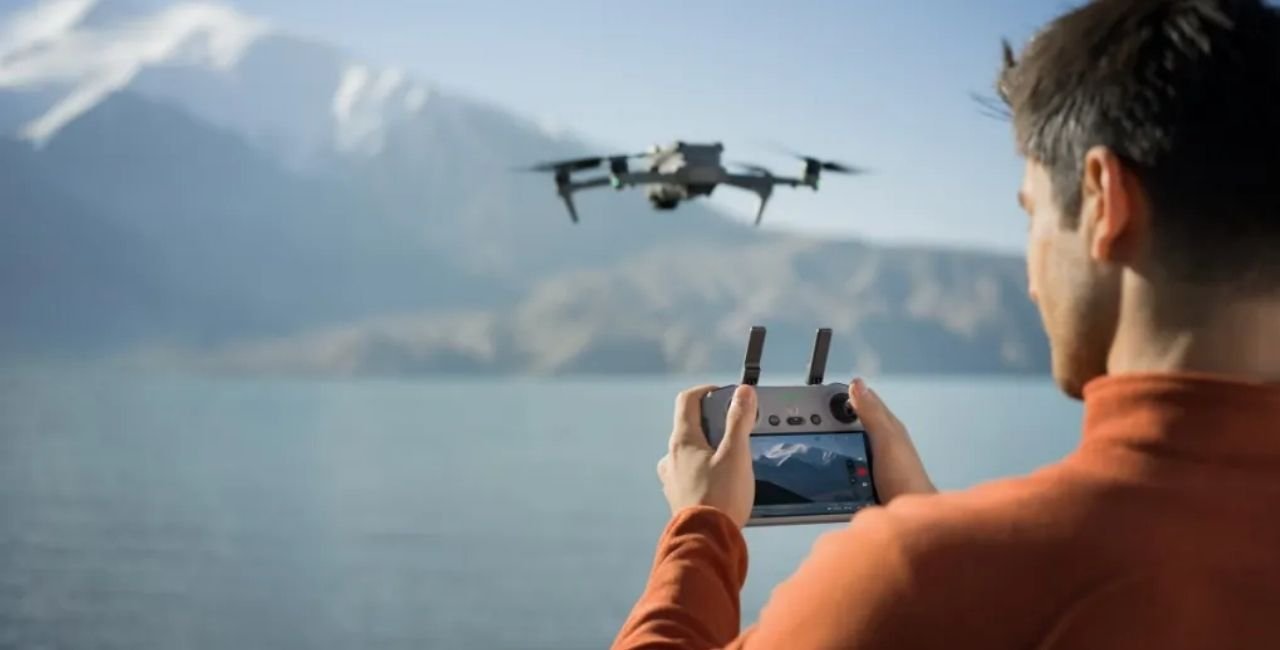
DJI stands out as the world’s top drone maker. Founded in 2006 in Shenzhen, China, by Frank Wang, the company started with flight control systems. It quickly grew into a giant in consumer and commercial drones. By 2026, DJI holds over half the US commercial drone market share. Their products, like the Mavic and Mini series, win praise for high-quality cameras, long flight times, and easy use.
DJI’s rise ties to innovation. They introduced features like obstacle avoidance and 4K video early on. The firm employs thousands and invests heavily in research. Achievements include winning Emmy awards for tech in filmmaking. DJI drones aid in search and rescue, farming, and filming. Yet, concerns over data security have grown. US officials worry about possible ties to the Chinese government. This led to scrutiny and the recent dji drone ban fcc vote.
To understand the vote, look at US-China tech tensions. Since 2019, the US has limited Chinese tech firms like Huawei. Drones fell under this due to their wireless tech. They send data via radio frequencies, which the FCC regulates. National security fears include remote access risks that could expose sensitive info.
What Led to the DJI Drone Ban FCC Vote?
Tensions built over years. In 2024, President Biden signed an act requiring a security audit for DJI. Agencies had one year to check data practices. But no audit happened by December 23, 2025. This triggered automatic steps under the National Defense Authorization Act (NDAA) for FY25.
The FCC stepped in. On October 28, 2025, they held a unanimous vote to expand rules. This let them restrict devices even after initial approval if a company joins the Covered List. The Covered List includes firms like Huawei seen as risks. DJI wasn’t on it then, but the NDAA deadline loomed.
Key factors:
- Supply chain vulnerabilities: Modular drone parts could hide threats.
- Data risks: Drones might send info to foreign servers.
- Market dominance: Chinese drones make up most US sales, raising dependency concerns.
This setup the stage for stricter actions. The vote aimed to close gaps in telecom security.
The DJI Drone Ban FCC Vote Breakdown
The dji drone ban fcc vote happened on October 28, 2025. All commissioners agreed to broaden FCC powers. Chairman Brendan Carr stressed fixing ongoing risks from parts. Commissioner Olivia Trusty noted protecting chains as devices get more modular.
What did the vote change?
- Retroactive restrictions: FCC can now block previously okayed gear if a firm gets listed.
- Component focus: Rules cover transmitters and modules in drones.
- NDAA link: If no assessment by December 23, 2025, DJI auto-joins the Covered List.
Post-vote, events moved fast. By December 2025, FCC barred new imports from DJI and Autel. This stopped sales of fresh models and key parts. Existing drones stayed legal. On January 8, 2026, FCC exempted some non-Chinese drones.
DJI responded. Adam Welsh, their policy head, urged a fair review. He said DJI is ready for audits but noted delays hurt US jobs and innovation. For details on the vote, check this FCC rules overview.
Details of the Ban: What It Covers
The ban, stemming from the dji drone ban fcc vote, targets new gear. It doesn’t ground your current DJI drone. Let’s break it down.
Affected Items:
- New drone models like potential Mavic 5 or Mini 6.
- Critical components: Flight controllers, cameras, batteries with wireless tech.
- Accessories: Some gimbals or transmitters if they use regulated frequencies.
What Stays Okay:
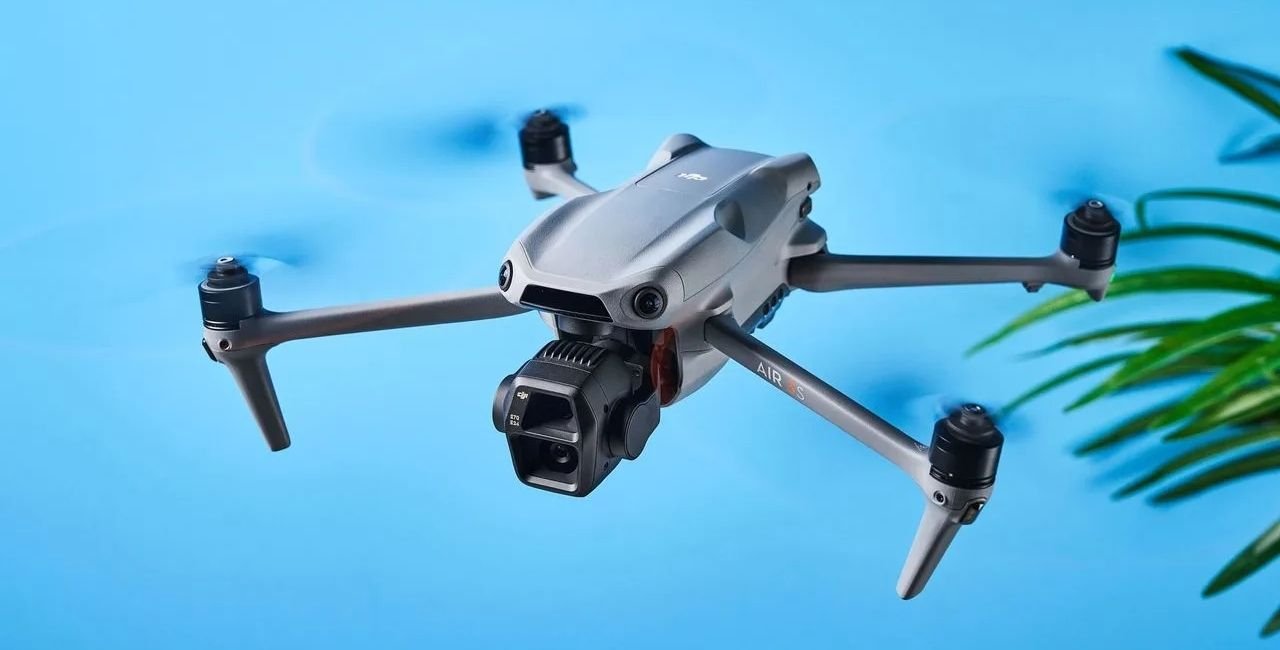
- Pre-approved models: Air 3s, Mini 5 Pro, Mavic 4 Pro.
- Owned drones: Fly them as usual, follow FAA rules.
- Repairs: Use existing parts, but stock up as supplies may drop.
Stats show impact. Over 50% of US commercial drones are DJI. Bans could shift markets. Industries like public safety rely on them for inspections and emergencies.
Examples: A farmer using DJI for crop monitoring keeps going. But buying a new model? Not possible now. For video creators, this means relying on old gear or alternatives.
Implications for Drone Users and the Industry
The dji drone ban fcc vote brings changes. But don’t panic—many options exist.
For Hobbyists:
- Your backyard flights continue.
- Import risks: Bringing new DJI from abroad could lead to seizures or fines.
For Professionals:
- Procurement shifts: Agencies may turn to US makers.
- Costs rise: Alternatives might cost more initially.
- Innovation slows: Less access to DJI’s latest tech.
Broader effects: US-China relations play a role. In January 2026, Commerce dropped wider bans, hinting at thaws before Trump-Xi talks in April. This eased some fears. See this Reuters report on Commerce decision.
Reassuringly, existing fleets last years. Tips:
- Inventory check: List your drone parts.
- Stock spares: Buy extras now.
- Update software: Keep firmware current for security.
Quotes from experts: “This ban protects our networks,” said an FCC official. DJI countered: “Blanket rules harm stakeholders.”
Alternatives to DJI Drones
With the ban, explore other brands. US companies fill gaps.
Top Picks:
- Skydio: Known for autonomous flight, great for mapping.
- Parrot: Affordable, with strong privacy features.
- Autel: Wait—also affected, so skip new models.
For more options, visit Laaster for drone reviews.
Build your own? Use open-source kits for custom needs.
Pros of switching:
- Better data security.
- Support local jobs.
Cons: Higher prices, fewer features at first.
History of US Drone Regulations
Drones evolved fast. FAA rules started in 2016 for registration. Security amps up post-2019.
Key milestones:
- 2019: Government limits on Chinese drones.
- 2023: Customs delays under labor acts.
- 2024: Biden’s audit mandate.
- 2025: FCC vote and ban rollout.
This history shows steady focus on safety.
National Security Concerns Explained
Why the fuss? Drones handle sensitive data.
Risks:
- Remote manipulation: Hackers could control flights.
- Data leaks: Info to foreign servers.
- Supply chain issues: Parts from risky sources.
FCC rules safeguard telecom. The vote expands this to drones.
Examples: Drones at events like Olympics pose threats if compromised.
Reassuring: US agencies monitor actively.
Impact on Content Creators and Filmmakers
Creators feel the pinch. DJI excels in video.
Watch this YouTube video on ban effects for creator views.
Tips for creators:
- Use stock footage: For wide shots.
- Edit creatively: Focus on ground cams.
- Pivot to alternatives: Test Skydio for action.
Many adapt successfully.
Future Outlook: What Comes Next?
By mid-2026, rules may evolve. Public input shapes FCC notices.
Possible changes:
- Extensions for audits.
- New US drone firms rise.
- Trade deals ease bans.
Stay informed via FCC sites.
How to Comply with New Rules
Follow these steps:
- Register drones: With FAA if over 0.55 lbs.
- Check approvals: Ensure gear is pre-ban.
- Report issues: If suspicious activity.
Bold action keeps you safe.
Statistics on Drone Market
- Global market: $30 billion in 2025.
- US share: 25%.
- DJI dominance: 70% worldwide.
Bans could grow US makers to 40% by 2030.
Quotes from Key Players
- FCC Chair: “We close vulnerabilities.”
- DJI: “Urge fair process.”
- Expert: “Balances security and innovation.”
Tips for Drone Owners
- Maintain regularly.
- Join communities for updates.
- Explore insurance for risks.
FAQs on the DJI Drone Ban FCC Vote
What is the dji drone ban fcc vote? It refers to the October 2025 FCC decision expanding restrictions on foreign drones.
Does the dji drone ban fcc vote affect my old DJI? No, existing models remain legal.
Why did the dji drone ban fcc vote happen? For national security, to prevent data risks.
What alternatives exist post dji drone ban fcc vote? Brands like Skydio and Parrot.
How can I learn more about dji drone ban fcc vote? Check FCC docs and news.
Conclusion
The dji drone ban fcc vote reshapes the US drone landscape, prioritizing security while challenging users. It bans new DJI imports but spares current ones, offering time to adapt. With Commerce easing broader rules, hope exists for balance. What are your thoughts on the dji drone ban fcc vote—will it boost US innovation?
References
- Dronelife Article – Details FCC vote and implications for drone industry pros and hobbyists seeking timely updates.
- Reuters Report – Covers Commerce withdrawal, aimed at policymakers and business users understanding trade impacts.
- YouTube Video – Explains ban for content creators and everyday drone fans needing practical advice.