If your dog suddenly makes a strange snorting sound, like a mix of coughing and gasping, you might panic. This behavior, known as dog reverse coughing and sneezing, alarms many owners. It looks scary, but it often poses no real threat. Dogs pull air in quickly through their nose during these episodes, creating a honking or wheezing noise. This guide explains everything you need to know. We cover causes, signs, and fixes. You will gain confidence in handling it.
What Is Dog Reverse Coughing and Sneezing?
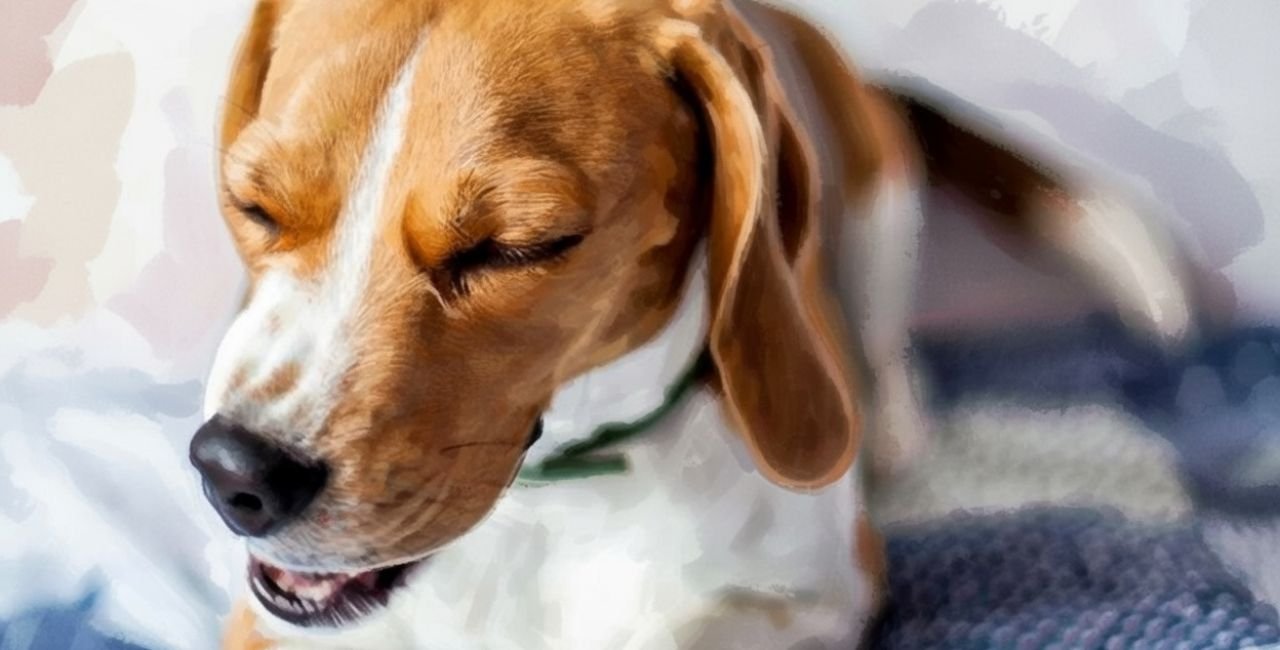
Dogs sometimes face respiratory spasms. Dog reverse coughing and sneezing happens when the soft palate in the throat gets irritated. The soft palate sits at the back of the mouth. It separates the nose from the throat. When irritated, it spasms. This closes the airway briefly. Your dog then inhales forcefully to clear it. The result? A loud, snorting sound.
Experts call this paroxysmal respiration. It differs from regular sneezing. In a normal sneeze, air pushes out. Here, air pulls in. The noise can sound like a goose honk or choking. Episodes last seconds to a minute. Most dogs act normal right after.
This issue affects many dogs. One study in Spain surveyed 779 dogs. It found 52.9% had experienced it at some point. Smaller dogs showed higher rates. Neutered females over 10 years old faced more risk. Urban dogs without other pets also had higher chances. These stats show it’s widespread but often mild.
Vets see it often in clinics. It mimics other problems, like choking. Owners rush in, thinking the worst. But reassurance comes quick. The dog usually needs no treatment.
Symptoms of Dog Reverse Coughing and Sneezing
Spotting dog reverse coughing and sneezing starts with knowing the signs. Your dog stands still during an episode. They extend their neck forward. Elbows push out. The chest expands as they inhale hard. Nostrils flare. The mouth stays closed. Lips pull back slightly.
The sound stands out most. It resembles snorting or honking. Some describe it as a pig grunt. Episodes repeat rapidly. Your dog might look distressed. But they recover fast. No lasting effects show.
Other clues include:
- Sudden start after excitement or eating.
- No fever or lethargy.
- Normal behavior between episodes.
If symptoms change, watch closely. Added coughing or discharge might signal something else.
Causes Behind Dog Reverse Coughing and Sneezing
Irritation triggers most cases of dog reverse coughing and sneezing. The nasopharynx, where nose meets throat, gets bothered. Common culprits include dust or pollen. Household cleaners or perfumes also play a role. Dogs sniff everything, so irritants enter easily.
Allergies worsen it. Pollen, molds, or dust mites cause inflammation. This leads to more spasms. Excitement spikes episodes too. Pulling on a leash presses the throat. Eating or drinking fast traps air or food particles.
Some dogs face structural issues. Brachycephalic breeds have flat faces. Their soft palates elongate. This blocks airways. Nasal mites burrow in passages. Infections, like viral or bacterial, add irritation. Even foreign objects, like grass blades, stick and cause problems.
In rare cases, masses or tumors form. Gastrointestinal issues, like vomiting, link back. Many times, no clear cause shows. Vets label it idiopathic.
A study of 30 dogs found 60% had chronic episodes. More than one a week. Toys and small breeds dominated. Respiratory signs like coughing appeared in 63%. This highlights how causes vary.
Breeds Prone to Dog Reverse Coughing and Sneezing
Any dog can experience dog reverse coughing and sneezing. But some breeds face higher risks. Small dogs under 15 kg show more cases. Brachycephalic types top the list. Their short snouts and flat faces compress airways.
Common affected breeds include:
- Pugs: Their wrinkled faces trap irritants.
- Bulldogs: English and French types have elongated palates.
- Shih Tzus: Small size plus flat features increase chances.
- Boxers: Muscular but prone to respiratory quirks.
- Boston Terriers: Compact heads lead to spasms.
- Yorkshire Terriers: Tiny frames make them vulnerable.
- Chihuahuas: Often urban dwellers, exposed to allergens.
- Bichon Frises: Fluffy coats hide nasal issues.
One survey noted Yorkshire, Chihuahua, Bichon, and Shih Tzu as most common. Geriatric dogs over 10 years had higher prevalence. Neutered females showed predisposition. Size matters too. Toys under 5 kg and small dogs 5-14 kg dominated stats.
If you own one of these, monitor closely. Their anatomy makes episodes frequent. But with care, you manage it well.
How Vets Diagnose Dog Reverse Coughing and Sneezing
Worried about dog reverse coughing and sneezing? A vet visit helps. They start with history. Ask about episode frequency. Triggers like walks or meals note. Video recordings aid diagnosis. Seeing the behavior confirms it.
Physical exams check airways. Vets listen to lungs. Look for discharge or swelling. Blood tests rule out infections. Allergy panels identify sensitivities.
If episodes persist, advanced steps follow. X-rays image the head and chest. Rhinoscopy uses a camera in the nose. This spots mites or masses. Sedated oral exams view the soft palate.
In one observational study, 30 dogs underwent checks. 67% had it as main concern. 60% chronic over 3 months. Diagnostics found anatomical issues in 27%, foreign bodies in 10%. Open cases stayed at 7%. This shows thorough checks reveal hidden problems.
Diagnosis reassures. It rules out serious issues like tracheal collapse.
Home Remedies to Ease Dog Reverse Coughing and Sneezing
Most episodes of dog reverse coughing and sneezing end alone. But you can help. Stay calm first. Panic stresses your dog more.
Try these bold steps:
- Massage the throat gently. Rub under the chin. This promotes swallowing. It clears irritation.
- Cover one nostril briefly. Hold for 1-2 seconds. Force a swallow. Release quick.
- Blow softly in the face. A gentle puff encourages swallowing.
- Offer water or a treat. Swallowing dislodges particles.
- Calm your dog. Speak softly. Stroke their back. Reduce excitement.
These tricks shorten episodes. They work in seconds. Avoid force. If it fails, wait it out.
For prevention, clean your home. Use pet-safe products. Avoid strong scents. Walk with harnesses, not collars. This cuts throat pressure.
If allergies suspect, try air purifiers. Humidifiers add moisture. Dry air worsens irritation. Natural supplements like omega-3s reduce inflammation. Always check with vets first.
When to Take Your Dog to the Vet for Dog Reverse Coughing and Sneezing
Dog reverse coughing and sneezing usually harmless. But know red flags. Seek vet help if episodes increase. More than daily? Get checked.
Watch for:
- Episodes over a minute.
- Difficulty breathing after.
- Added symptoms: Coughing, discharge, lethargy.
- Pale gums or wheezing.
- No recovery between fits.
These signal underlying issues. Allergies, mites, or infections need treatment. Brachycephalic dogs risk airway syndrome. Surgery shortens palates sometimes.
Vets prescribe anti-inflammatories or antihistamines. Decongestants help severe cases. Prognosis excellent. Most dogs thrive.
One source notes: If frequent, identify triggers. Long-term management prevents distress.
Differences Between Dog Reverse Coughing and Sneezing and Other Conditions
Dog reverse coughing and sneezing confuses with similar issues. Know distinctions to act right.
Vs. Choking: Choking shows panic. Dogs paw mouths. They struggle for air. May collapse. Reverse episodes lack this. Dogs stand still. No object lodges. For choking tips, check resources like Is Your Dog Choking or Reverse Sneezing?.
Vs. Tracheal Collapse: Small breeds face this. Cartilage weakens. Cough sounds honking. Triggers: Excitement, pressure. Reverse is inhalation spasm. Tracheal is chronic cough. Vets differentiate via X-rays.
Vs. Kennel Cough: Infectious. Hacking cough like goose honk. Discharge, sneezing follow. Reverse lacks infection signs. No fever. Kennel spreads in groups. Vaccinate to prevent.
Vs. Normal Sneezing: Outward air burst. Clears nose. Reverse inward. Sounds different.
Understanding helps. Record episodes. Show vets for accurate diagnosis.
Prevention Tips for Dog Reverse Coughing and Sneezing
Prevent dog reverse coughing and sneezing with simple changes. Start with environment. Keep homes dust-free. Vacuum often. Use HEPA filters.
Choose harnesses over collars. This avoids throat pull. Walk in clean areas. Avoid pollen peaks.
Manage allergies. Bath dogs weekly. Use hypoallergenic shampoos. Feed quality diets. Avoid fillers that inflame.
For brachycephalic breeds, watch weight. Obesity worsens breathing. Regular vet checks spot issues early.
Train calm behaviors. Overexcitement triggers. Reward quiet play.
These steps cut episodes. Happy dogs breathe easy.
Common Myths About Dog Reverse Coughing and Sneezing
Myths surround dog reverse coughing and sneezing. Bust them for clarity.
Myth 1: It’s always serious. Fact: Most benign. Self-resolves.
Myth 2: Only small dogs get it. Fact: Any breed can. Small ones more.
Myth 3: Needs medicine always. Fact: Rare. Home tricks suffice.
Myth 4: Same as asthma. Fact: Different. Asthma wheezes constantly.
Myth 5: Contagious. Fact: No. Unless linked to infection.
Facts empower. Consult pros for doubts.
Real-Life Examples of Dog Reverse Coughing and Sneezing
Consider Max, a Pug. His owner noticed honking after play. Scared, she filmed it. Vet confirmed reverse sneezing. Cause: Allergies. Antihistamines helped. Episodes dropped.
Or Bella, a Shih Tzu. Urban life exposed her to dust. Frequent fits worried owners. Cleaning routine plus humidifier fixed it.
In a study case, a Yorkshire had chronic spasms. Rhinoscopy found mites. Treatment cleared it.
These show varied paths. Early action helps.
Statistics on Dog Reverse Coughing and Sneezing
Data illuminates dog reverse coughing and sneezing. Spanish survey: 52.9% prevalence. Higher in toys (under 5 kg) and small dogs (5-14 kg).
Age matters. Over 10 years: More prone. Sex: Neutered females lead.
Breeds: Yorkshire high. Urban habitats increase risk. No other pets? Higher odds.
Chronic cases: 60% over 3 months. Weekly episodes common.
These numbers guide owners. Know your dog’s profile.
FAQs About Dog Reverse Coughing and Sneezing
What causes dog reverse coughing and sneezing? Irritants like dust or allergies trigger spasms.
Is dog reverse coughing and sneezing dangerous? Usually not. Harmless reflex.
How do I stop an episode of dog reverse coughing and sneezing? Massage throat or cover nostril.
Which breeds get dog reverse coughing and sneezing most? Brachycephalic like Pugs.
When should I worry about dog reverse coughing and sneezing? If frequent or with other symptoms.
For more on differences, see Reverse Sneezing from Cornell Vet.
Explore general pet care at Laaster for tips.
Conclusion
Dog reverse coughing and sneezing startles but rarely harms. It’s a reflex from irritation. Common in small, flat-faced breeds. Home remedies like throat massage help. Prevent with clean spaces and harnesses. Vet if persistent or with symptoms. Stats show over half dogs face it. Stay informed for your pet’s health.
Has your dog had dog reverse coughing and sneezing? Share your story below.
References
- Is Your Dog Choking or Reverse Sneezing? – Marlboro Vets – Details on distinguishing conditions, aimed at concerned dog owners.
- Reverse Sneezing – Cornell University – Authoritative info from a top vet school, for educated pet parents.
- Difference Between Reverse Sneezing and Tracheal Collapse – JustAnswer – Q&A format for quick answers, targeting worried owners seeking expert advice.