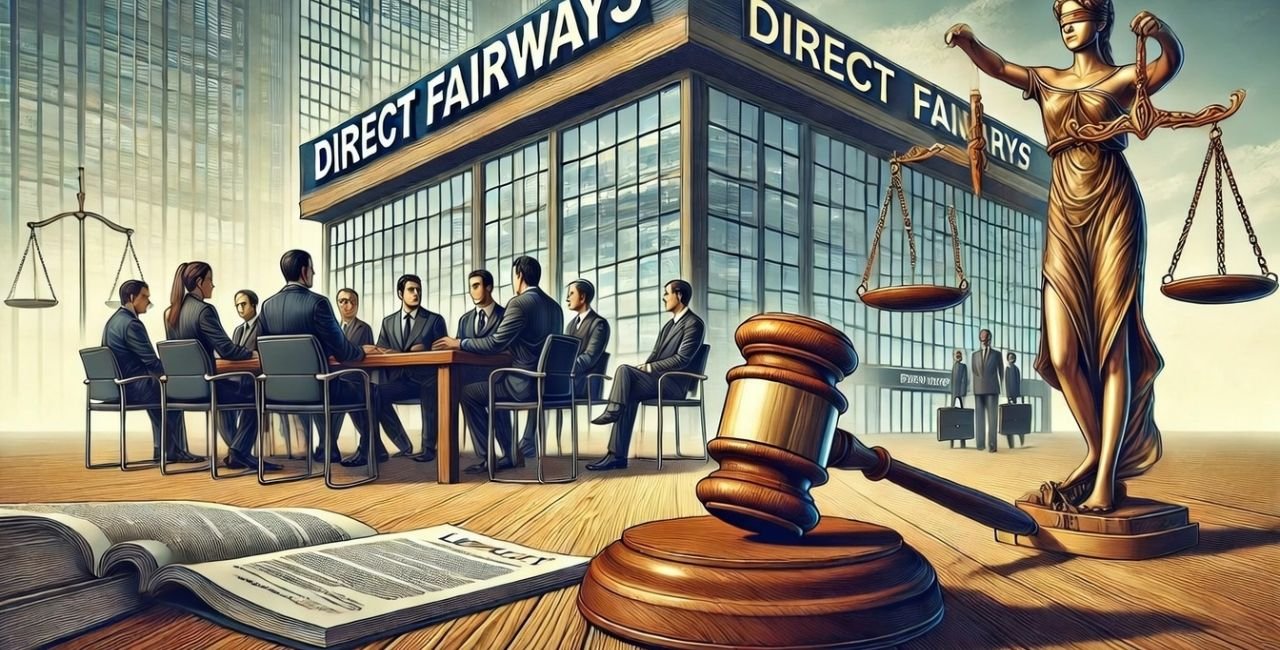
Introduction to the Direct Fairways Lawsuit
The direct fairways lawsuit has caught the attention of many small business owners across the United States and Canada. Direct fairways lawsuit discussions often start when people search for answers after receiving cold calls about advertising on golf course materials like scorecards, yardage guides, or course booklets.
Direct Fairways is a company based in Tempe, Arizona, that started in 2015. It presents itself as a nationwide golf advertising and print service. The firm claims to help golf courses by providing free high-quality printed materials (such as scorecards and guides) while selling ad space to local businesses near those courses. In return, businesses supposedly get exposure to golfers during their 4-5 hour rounds.
However, a wave of complaints has led to talks about the direct fairways lawsuit and related legal concerns. Many report issues like misleading sales pitches, unauthorized charges, ads not appearing as promised, and difficulties canceling or getting refunds. These problems have sparked questions about business practices in the golf advertising space.
This article breaks down the facts in simple terms. We look at the company’s background, common complaints, what the direct fairways lawsuit involves based on public reports, and steps you can take if affected. Our goal is to help you make smart choices with clear, easy-to-follow information.
Background of Direct Fairways
Direct Fairways markets itself as a leader in golf course marketing. Founded in 2015 and headquartered in Maricopa County (Tempe area), Arizona, the company says it partners with thousands of golf courses across North America.
Key claims from their own materials include:
- Providing free printed products to golf courses (scorecards, yardage cards, course guides).
- Selling ad space to nearby local businesses.
- Helping golf courses save money while boosting local business growth.
- Offering nationwide reach with a “captive audience” of golfers.
For example, their promotional content highlights helping golf courses and neighboring businesses prosper through dynamic materials that complement a golfer’s experience. You can see an example of their self-description in this Facebook video post about their services and golfer reach.
They also promote innovative marketing solutions tailored to golf courses, as noted in some online posts like this Quora space overview of their offerings.
On the surface, this sounds helpful for golf courses that want quality prints without cost and for businesses seeking targeted ads. But real experiences shared by users tell a different story, leading to rising concerns and the direct fairways lawsuit chatter.
Common Complaints and Issues Raised
Many small business owners describe similar patterns after dealing with Direct Fairways sales calls. Here are the main issues reported across public forums, review sites, and complaint boards:
- Cold Calls and High-Pressure Sales – Sales reps call businesses near golf courses, promising ad placement in popular local golf materials. They often stress limited spots and quick decisions.
- Misleading Promises – People say they were told ads would run for a set time (like one or two years) for a one-time fee. Later, some found recurring charges or ads never appeared.
- Unauthorized or Repeated Charges – Several reports mention cards being charged more than agreed, sometimes multiple times without clear approval.
- Ads Not Delivered – Businesses paid but checked golf courses and found no ad in the scorecards or guides. Some golf courses even stated they had no affiliation with the company.
- Hard to Cancel or Refund – Customers report slow responses, demands for written cancellation, or threats of fees when trying to stop payments.
These patterns appear in places like Reddit threads warning about advertisement issues, Facebook group alerts from golf courses distancing themselves, and hundreds of complaints filed with the Better Business Bureau (BBB). The BBB profile for Direct Fairways LLC shows it is not accredited and has a pattern of complaints, with many in recent years involving directory advertising concerns.
One early warning came in a Reddit post from r/Scams describing a cold call experience, where a user shared how their spouse was approached and later questioned the legitimacy.
What the Direct Fairways Lawsuit Involves
Talk of the direct fairways lawsuit grew from these complaints. Public reports and online articles from 2025 onward describe allegations such as:
- Deceptive marketing and sales tactics.
- Breach of contract or failure to deliver promised services.
- Unauthorized charges or overbilling.
- Fraudulent misrepresentation of ad results or affiliations.
Some sources mention class action potential or individual suits, with plaintiffs claiming they were misled about packages and results. Others note ongoing discovery in legal processes. While no single massive class action dominates headlines yet, the volume of similar stories has fueled legal interest.
Key points from reports:
- Focus on small businesses feeling taken advantage of.
- Calls for refunds, charge disputes, and better consumer protection.
- Warnings that the company sometimes responds by offering partial refunds but only after pressure.
These issues highlight why the direct fairways lawsuit topic ranks in searches – people seek facts after bad experiences.
How to Protect Yourself from Similar Situations
If you get a call about golf advertising, follow these simple steps:
- Ask Questions First – Request written details: contract, exact costs, ad placement proof, and cancellation terms. Do not agree over the phone.
- Verify with the Golf Course – Call the golf course directly. Ask if they partner with the company and if ads benefit them.
- Check Reviews and Ratings – Look at BBB, Reddit, Facebook groups, and other sites for real user stories.
- Use Secure Payment Methods – Avoid giving card info on first calls. If you proceed, use a credit card for better dispute options.
- Document Everything – Save emails, call notes, recordings (if legal in your area), and proofs submitted.
- Know Your Rights – In the U.S., you can dispute charges with your bank within 60 days for unauthorized ones. File complaints with BBB, FTC, or your state attorney general.
These tips help avoid problems like those tied to the direct fairways lawsuit.
What to Do If You’ve Been Affected
If you already dealt with Direct Fairways and face issues:
- Contact the Company – Request refunds or cancellations in writing (email for records).
- Dispute Charges – Call your bank or card issuer right away.
- File Complaints – Submit to BBB, your state consumer protection office, or FTC.gov.
- Seek Advice – For larger amounts, talk to a consumer lawyer or small claims court.
- Share Your Story – Post warnings (fact-based) to help others.
Many people resolve issues by persisting with disputes. Acting fast improves chances.
Conclusion
The direct fairways lawsuit shines a light on challenges in golf course advertising. Direct Fairways offers services that sound good on paper – free prints for courses and targeted ads for businesses. But numerous complaints about misleading tactics, non-delivery, and billing problems have led to serious concerns and legal discussions.
Always research carefully before signing up for any advertising deal. Verify claims, read reviews, and protect your payment info. Knowledge helps small businesses stay safe and make good choices.
Have you or someone you know dealt with a similar golf advertising offer? Share your thoughts or questions below – we’d love to hear and help!
References:
- Public BBB profile and complaints for Direct Fairways LLC (bbb.org).
- User-shared experiences on Reddit (e.g., r/Scams discussions).
- Company promotional materials via Facebook and other online posts.
- Various 2025-2026 online articles summarizing consumer reports and legal mentions.