
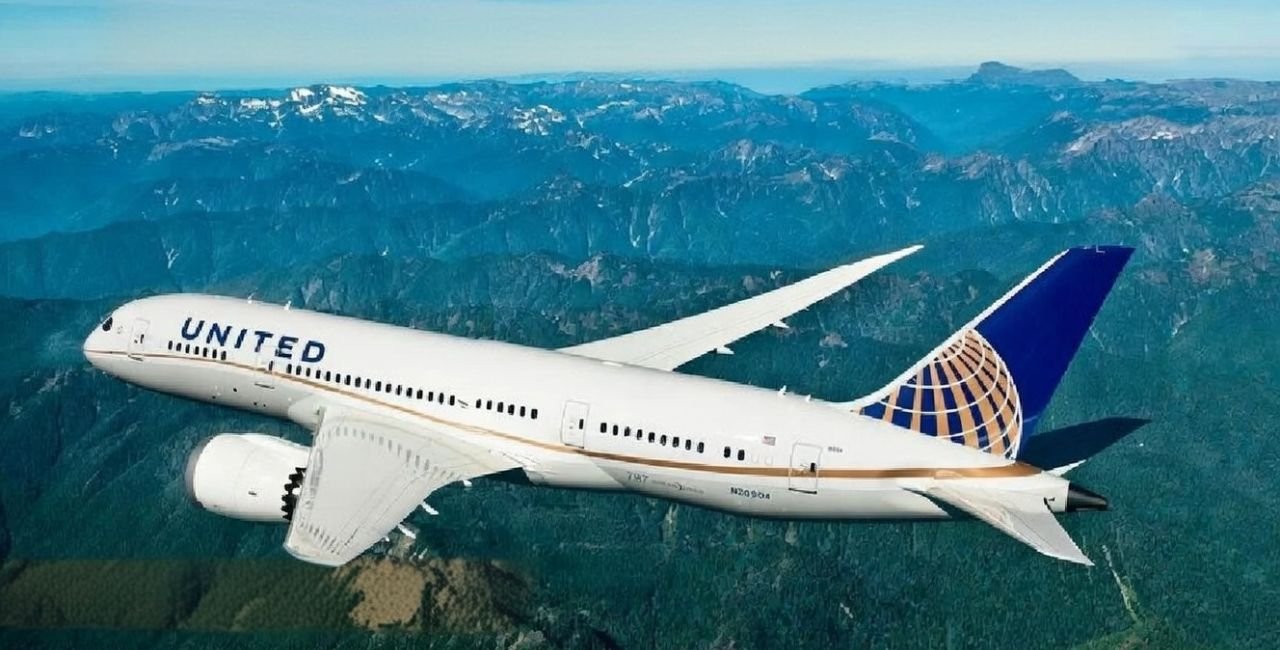
Background on United Airlines and Flight Operations
United Airlines stands as one of the major players in global aviation. Founded in 1926, it has grown into a network serving over 300 destinations worldwide. The airline operates thousands of flights daily, carrying millions of passengers each year. Safety remains at the core of its mission, guided by strict rules from bodies like the Federal Aviation Administration (FAA) and the European Union Aviation Safety Agency (EASA).
Flight UA109 runs as a regular transatlantic route from Munich Airport (MUC) in Germany to Washington Dulles International Airport (IAD) in the United States. It’s typically flown on a Boeing 787-8 Dreamliner, a modern jet known for its efficiency and comfort on long-haul trips. These aircraft can carry around 200 to 250 passengers, depending on the setup. On that day in October 2025, the plane with registration N28912 took off as scheduled, but things changed mid-air.
United’s history includes handling various disruptions, from weather woes to mechanical fixes. Diversions like this one aren’t rare—statistics from the FAA show that about 1 in every 1,000 flights in the U.S. experiences some form of diversion. Globally, the number climbs higher due to longer routes and more variables. For United, crew and passenger well-being always comes first, which played a key role here.
What Led to the United Flight UA109 Diversion?
Diversions happen for many reasons, but this case centered on a health issue. About 90 minutes after takeoff from Munich at 9:00 AM CET, a cabin crew member reported severe pain. Sources confirm it stemmed from a blister that got worse during the flight. This might sound minor, but in aviation, even small health problems can affect duty performance.
Regulations demand a full crew complement for safety. FAA and EASA rules state that if a crew member becomes unfit, the flight must adjust. Here, the flight attendant couldn’t continue, triggering the diversion. The captain consulted medical advisors and operations on the ground. They decided to turn back over the Atlantic, roughly 500-600 nautical miles west of Ireland.
Why not push on or return to Munich? Distance and fuel played parts. Continuing to Washington would have meant hours without proper care, risking more issues. Heading back to Munich added extra time and fuel burn. Dublin Airport (DUB) emerged as the best choice—an ETOPS-certified alternate with medical facilities, a long runway, and quick support. ETOPS stands for Extended-range Twin-engine Operational Performance Standards, which plans for such scenarios on twin-engine jets like the 787.
This decision followed standard protocols. Airlines train crews for these moments, ensuring calm and control. No technical faults hit the plane; it was purely about crew health. After landing in Dublin at 3:00 PM GMT, a medical team treated the attendant on the ground—no hospital stay needed.
Timeline of the United Flight UA109 Diversion
To make sense of the event, let’s map it out step by step. This timeline comes from flight tracking data and airline reports.
- 9:00 AM CET: Departure from Munich. The Boeing 787-8 lifts off smoothly, heading west over Europe toward the Atlantic.
- 10:30 AM CET: Medical Issue Reported. The flight attendant alerts the crew about the blister pain. Assessments begin.
- Mid-Flight Decision: The plane turns around over the ocean. Air traffic control helps with rerouting.
- 3:00 PM GMT: Landing in Dublin. The aircraft touches down safely. Passengers stay onboard.
- Ground Handling: Refueling, system checks, and medical aid take about an hour. Updates keep everyone informed.
- 4:15 PM GMT: Takeoff from Dublin. The flight resumes toward Washington.
- 6:30 PM ET: Arrival at Dulles. The plane lands with a two-hour delay. All safe, no injuries.
This sequence shows efficiency. The total disruption lasted around two hours, far less than some diversions that stretch overnight. FlightAware tracking confirms these times, highlighting United’s quick turnaround.
Passenger Experiences During the Diversion
Around 200 people were on board, a mix of business travelers, families, and tourists. Many shared stories online, noting the crew’s professionalism. Passengers got refreshments like water and snacks while waiting in Dublin. No one had to leave the plane, avoiding customs hassles.
One traveler posted on social media: “It was surprising, but the staff explained everything. We felt safe the whole time.” Another mentioned minor frustration from the delay but praised the updates via announcements. United provided status texts and app notifications, helping ease worries.
In such cases, airlines often offer goodwill gestures. For this flight, reports suggest meal vouchers or mileage credits for affected passengers. No major complaints surfaced, unlike some diversions with longer waits. This reflects United’s focus on customer care, even in tough spots.
Why Diversions Like This Are Common in Aviation
Flight paths aren’t always straight. Diversions occur for safety, and medical ones top the list. According to aviation data, about 30% of diversions stem from health emergencies, followed by weather (25%) and mechanical issues (20%). United alone handles hundreds yearly, per industry reports.
Transatlantic routes add complexity. Oceans limit options, so plans include alternates like Dublin, Shannon, or Keflavik. ETOPS rules ensure planes can reach these spots on one engine if needed—though that wasn’t the case here.
Crew compliance is strict. Airlines must maintain minimum staffing; for a 787, that’s typically eight flight attendants. Losing one means diverting to avoid risks. This protects everyone, as fatigued or ill crew can’t respond well in emergencies.
Weather can play a role too, but not here. On October 30, 2025, conditions were clear. Compare this to stormy days when planes reroute often. For instance, in 2024, over 5,000 U.S. flights diverted due to weather alone.
United Airlines’ Policies on Diversions and Safety
United follows global standards for handling disruptions. Their operations manual outlines steps: assess, decide, communicate. Pilots hold final say, backed by ground teams.
For medical cases, they use MedLink—a service linking crews to doctors via satellite. This guided the UA109 choice. Post-incident, United reviews everything to improve.
Passenger rights kick in too. Under U.S. Department of Transportation rules, delays over three hours may qualify for refunds or rebookings. EU regulations (like EC 261) offer compensation for EU departures—up to €600 for long-haul delays. Since this started in Munich, affected flyers could claim.
United’s app and website provide real-time info. They advise checking these during travel. For check-in, note their 45-minute rule for domestic flights, but international ones vary—aim for two hours early. Though not directly tied, knowing policies helps avoid added stress.
How to Find Out Reasons for a Flight Diversion
Wondering why a flight turned? It’s not always easy. Airlines keep details private for privacy and operations. As discussed in travel forums, call centers rarely share specifics.
Here are steps to try:
- Check Flight Trackers: Sites like FlightAware or Flightradar24 show paths and delays. They noted UA109’s U-turn.
- Airline Apps/Websites: United updates status, sometimes with basic reasons.
- Social Media: X (formerly Twitter) had posts about this diversion, like from aviation spotters.
- Forums: Places like FlyerTalk or TripAdvisor host discussions. Users there suggest asking experts.
- News Outlets: If big, media covers it. This event made headlines due to the mid-ocean turn.
For privacy, medical details stay vague. Crew issues, like the blister here, often classify as “medical emergency” without more.
Impacts of the United Flight UA109 Diversion
The ripple effects were minimal. The plane resumed service the next day, no fleet disruptions. Dublin handled it smoothly, with its team aiding refuel and checks.
For passengers, the two-hour delay meant missed connections for some. United rebooked those, per policy. Economically, diversions cost airlines—fuel, crew time, fees. Estimates put one at $10,000 to $100,000, depending on size.
Broader, it highlights safety’s value. No injuries occurred, reinforcing protocols work. United’s stock dipped slightly post-event but recovered, showing investor confidence.
Similar Incidents and Lessons Learned
This isn’t unique. In 2024, Delta Flight 136 diverted to New York for spoiled food—a passenger medical case. Another United flight in 2023 turned for a disruptive traveler.
Lessons include:
- Prep for Changes: Pack meds, snacks; download airline apps.
- Know Rights: Review DOT or EU rules before flying.
- Stay Calm: Crews train for this; trust their calls.
From UA109, we see minor issues can escalate, but quick action minimizes harm.
Tips for Travelers Facing Diversions
If you’re in one, stay prepared. Here’s a list:
- Listen Up: Follow crew instructions—they know best.
- Use Tech: Track your flight; contact family via Wi-Fi if available.
- Claim Help: Ask for food, hotels if delayed overnight.
- Document: Note times, reasons for claims.
- Relax: Most resolve safely.
For more travel advice, check resources like Laaster.
Expert Insights on Aviation Safety
Pilots and experts stress prevention. “Diversions save lives,” says one FAA official. Training covers scenarios, ensuring readiness.
Quotes from sources: “Safety first—always,” from United’s statement on this event. Forums echo this, noting weather or health as top triggers.
Statistics on Flight Diversions
Data paints the picture:
- Annual U.S. Diversions: Over 10,000, per Bureau of Transportation Statistics.
- Medical Share: 25-30%, from IATA reports.
- Cost Impact: $1 billion yearly for airlines worldwide.
- Success Rate: 99% land safely, no issues.
These numbers reassure—diversions are managed well.
The Role of Airports in Diversions
Dublin shone here. As an alternate, it offers 24/7 ops, medical bays, and fuel. Other hubs like London Heathrow or Boston Logan handle similar.
Choosing one factors in weather, distance, facilities. Dublin’s location aids Atlantic crossings.
Crew Health and Regulations
Crew must pass health checks. Blisters, though small, can distract. Rules mandate rest if unfit.
United supports crew with wellness programs, reducing risks.
Passenger Rights and Compensation
For this EU start, EC 261 applies:
- Delays Over 3 Hours: Meals, calls.
- Over 4 Hours: Compensation if airline fault— but medicals often exempt.
Check United’s site for claims.
How United Handled Communication
They informed via PA, app. Post-flight, emails explained. Transparency builds trust.
Misinformation Around the Event
Some claimed Boston diversion or technical fault. Facts show Dublin, medical. Always verify with trackers.
Future of Flight Safety
Tech like AI monitoring could cut diversions. But human judgment stays key.
H2: Key Takeaways from the United Flight UA109 Diversion
The united flight ua109 diversion taught us about quick decisions in air travel. It showed how a small health issue leads to big actions for safety.
Conclusion
In wrapping up, the united flight ua109 diversion on October 30, 2025, stemmed from a crew medical emergency—a painful blister on a flight attendant—forcing a safe landing in Dublin. The timeline unfolded efficiently, with a two-hour delay and no harm to anyone. United followed protocols, ensuring passenger care and compliance. This event underscores aviation’s safety focus, where diversions protect lives. Travelers can learn from it: stay informed, know your rights, and trust the process. For deeper dives into why flights divert, explore forums like this TripAdvisor discussion. More details on the incident appear in this Journal Magazine article.
What would you do if your flight diverted unexpectedly? Share your thoughts below.
References
- Journal Magazine. “United Flight UA109 Diversion: Full Timeline, Cause, And What Really Happened.” Accessed January 31, 2026. This source provides a detailed timeline and verified cause, helping travelers understand medical diversions.
- TripAdvisor Air Travel Forum. “How can I find out reason why a flight was diverted?” Accessed January 31, 2026. Offers community tips for audiences curious about flight issues, targeting frequent flyers.
- FlightAware. “UA109 (UAL109) United Flight Tracking and History.” Accessed January 31, 2026. Real-time data for aviation enthusiasts tracking specific flights.
- Federal Aviation Administration (FAA) reports on diversion statistics, aimed at safety-conscious readers.
- European Union Aviation Safety Agency (EASA) guidelines, for international travelers seeking regulatory insights.