

College sports hold a special place in American life. They build skills, create leaders, and bring communities together. For years, rules kept athletes from earning money off their own names, images, and likenesses. That changed in 2021 after a big court ruling. Now, athletes can make deals for endorsements. But this shift brought chaos. States made their own laws, leading to uneven rules across the country. Some schools gained edges by offering big payments disguised as NIL deals. This hurt smaller programs and non-revenue sports.
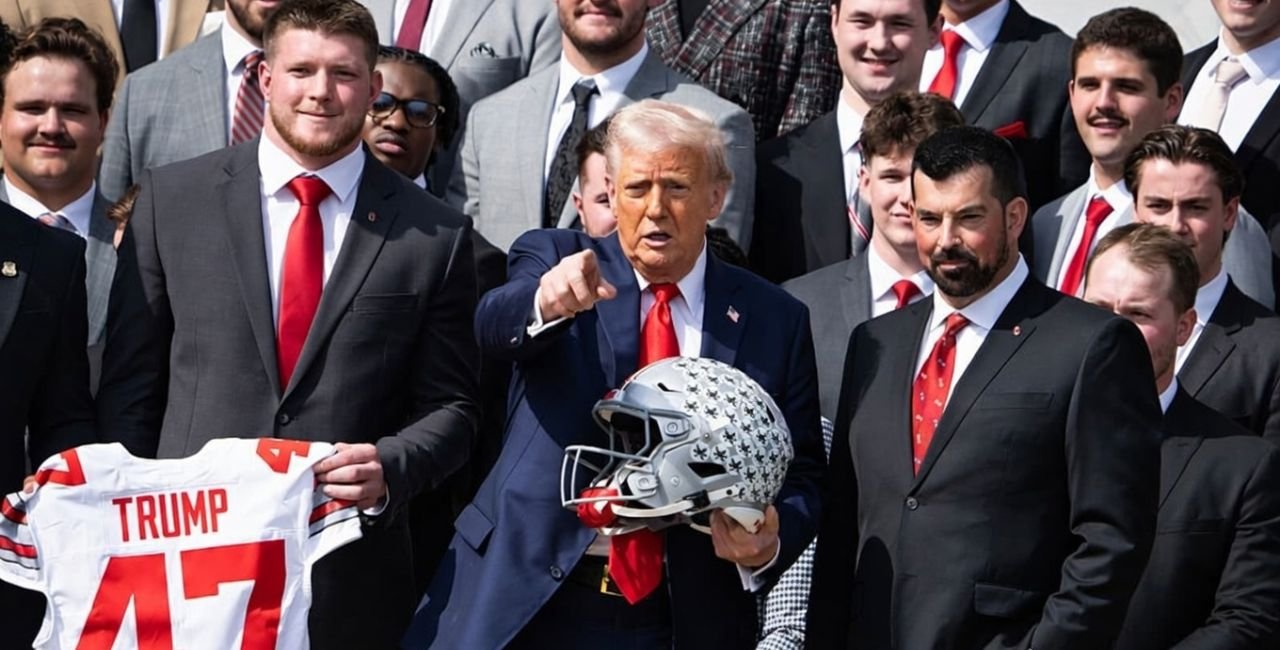
Enter the trump nil executive order. President Donald Trump signed this order to fix these issues. It sets national standards for NIL, or name, image, and likeness. The order aims to protect athletes while keeping college sports fair and focused on education. Trump saw the problems firsthand. He talked with leaders in college football. His goal? Save the system that helps over 500,000 student-athletes each year.
This article breaks down the order step by step. You’ll learn its background, key parts, and what it means for the future. We draw from official sources and expert views to give you clear facts. Let’s dive in.
The History Behind NIL in College Athletics
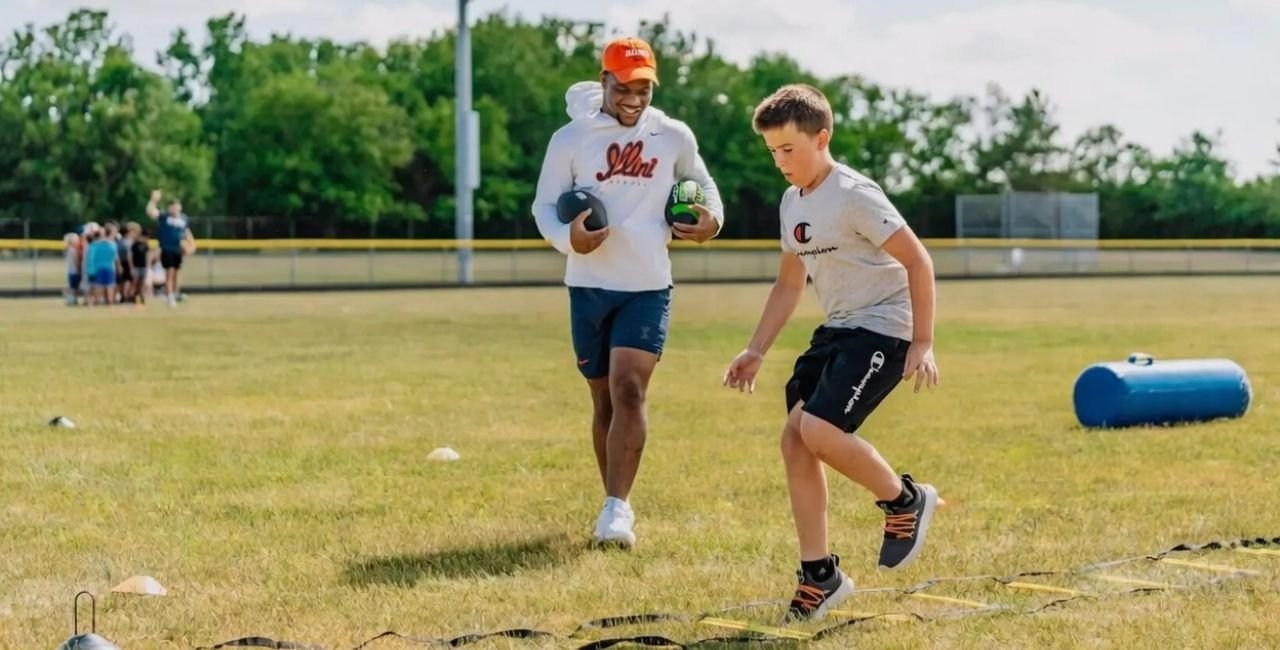
NIL stands for name, image, and likeness. It lets athletes earn from their personal brands. Before 2021, the NCAA banned this. Athletes couldn’t take endorsement money. They got scholarships, but no cash from ads or deals.
A Supreme Court case changed everything. In NCAA v. Alston, justices said limits on education benefits broke antitrust laws. This opened the door for NIL. The NCAA dropped its old rules. Athletes started signing deals. Some made thousands. Others, like top quarterbacks, earned millions.
But problems grew fast. States passed over 30 NIL laws. Each one differed. California let athletes hire agents. Texas focused on fair market value. This created a “race to the bottom.” Schools in lax states lured players with big promises. Donors formed collectives to fund deals. These often looked like pay-for-play, not true NIL.
Litigation kept striking down guardrails. Rules on transfers eased. Players switched schools yearly for better offers. This hurt team stability. Revenue sports like football and basketball sucked up funds. Non-revenue sports, such as swimming or track, faced cuts.
Statistics show the scale. College sports provide nearly $4 billion in scholarships yearly. Over 500,000 athletes benefit. But in 2024, some football teams paid players $20 million total. By 2025, one school reportedly hit $35-40 million. This imbalance threatened women’s sports and Olympic programs. About 65% of the 2024 U.S. Olympic team were former NCAA athletes. They won 126 medals, topping the world for the eighth straight Summer Games.
Trump noticed these threats during his second term. He met with boosters like Cody Campbell from Texas Tech. Campbell discussed stabilizing sports. Reports in April 2025 mentioned a possible commission with Nick Saban. But it paused amid talks on new laws. Then came the trump nil executive order. It builds on these concerns to create unity.
President Trump’s Role in College Sports Reform
Donald Trump has long shown interest in sports. As president, he attended games and honored champions at the White House. His business background taught him about fair competition. Trump saw college sports as key to American success. Many executives, including female leaders, played college sports. Even some presidents did.
In his second term, Trump focused on athletics. He heard from commissioners like Greg Sankey of the SEC. Sankey noted Trump’s passion but said he knew little of the order beforehand. Trump aimed to protect the system. He worried litigation would destroy non-revenue sports.
The order, signed on July 24, 2025, is titled “Saving College Sports.” It directly tackles NIL chaos. Trump directed agencies to act. This shows his hands-on style. He used executive power when Congress moved slowly. Bills like the SCORE Act aimed at federal standards, but the order sped things up.
Trump’s vision? Keep college sports amateur. Not pro leagues. Ensure education comes first. His order prohibits pay-for-play while allowing true NIL. This reassures athletes they can earn fairly. It also helps schools avoid lawsuits.
Experts praise this approach. Cal Stein, an attorney, broke it down on a podcast. He said it adds needed guardrails. Trump’s background in deals makes him suited to fix this. He achieved tax reforms and trade deals before. Now, he applies that to sports.
Key Details of the Trump NIL Executive Order
The trump nil executive order has six main sections. Each targets a problem in college sports. Let’s break them down simply.
Section 1: Purpose and Policy
This sets the stage. It explains why college sports matter. They build leaders and boost economies. The order notes threats from court rulings. These removed limits on pay and transfers. Result? Bidding wars for players. Donors pour money into football, starving other sports.
The policy? Preserve all sports. Expand where possible. Keep them educational, not pro.
Section 2: Protecting Women’s and Non-Revenue Sports
This is the heart of reforms. It prohibits third-party pay-for-play. That’s when donors pay athletes just to play, not for real endorsements. But fair NIL deals stay okay.
Based on revenue, schools must act:
- Departments over $125 million: Add more scholarships in non-revenue sports. Fill max roster spots.
- Over $50 million: Keep at least the same scholarships. Max rosters too.
- $50 million or less: No big cuts based on revenue.
Revenue-sharing with athletes must help non-revenue areas. The Secretary of Education gets 30 days to plan enforcement. This includes Title IX for women’s equality.
Section 3: Clarifying Student-Athlete Status
Agencies like Labor and NLRB must define what “student-athlete” means. This maximizes education perks. It stops athletes from being seen as employees. That could bring unions or wages, changing everything.
Section 4: Legal Protections from Lawsuits
The Attorney General and FTC must shield sports from antitrust suits. They review positions in 60 days. This stabilizes rules against constant challenges.
Section 5: Supporting the Olympic Team
Consult with Olympic groups. College sports fuel U.S. wins. Protect that edge.
Section 6: General Rules
Standard legal stuff. No new rights created. Follow laws.
This order directly impacts NIL. It sets national standards amid state differences. Trump signed it to unify the field.
Impacts on Athletes, Schools, and Fans
The trump nil executive order brings big changes. Athletes gain protections. They keep earning from real NIL. No more shady pay-for-play. This levels the playing field. Top players won’t jump schools yearly. Teams build loyalty.
For schools, it’s reassuring. Big revenue ones must expand non-revenue sports. This saves programs like wrestling or gymnastics. Smaller schools avoid unfair cuts. Overall, it stops the “oligarchy” where rich schools buy talent.
Fans benefit too. More parity means exciting games. No super-teams dominating. College sports stay true to roots.
Statistics back this. In 2024, 75% of U.S. Olympians were college athletes. The order safeguards that. It also addresses $50 million payments at some schools. By curbing these, resources spread out.
Examples show needs. Michigan’s 2024 champs paid $20 million. Another school planned $35-40 million in 2025. The order halts this escalation.
Challenges remain. Enforcement needs work. States might fight federal rules. But the order directs agencies to use funding and laws like Title IX.
Reactions from Stakeholders
Leaders reacted mixed. Greg Sankey said he hadn’t heard details but knew Trump’s interest. Cody Campbell wasn’t surprised. He talked NIL with Trump.
Experts like Cal Stein see positives. It adds guardrails without killing NIL. Athletes’ groups welcome protections. Some worry about less money overall.
Congress watches closely. The SCORE Act pushes similar ideas. The order might speed federal laws.
Future of NIL Under This Order
Looking ahead, the trump nil executive order sets a path. Agencies have deadlines: 30 days for Education’s plan, 60 for Justice and FTC.
Possible outcomes:
- Clearer NIL rules nationwide.
- More scholarships in women’s sports.
- End to transfer chaos.
- Stronger Olympic pipeline.
Trump’s vision could expand sports. Schools might add teams. Athletes focus on degrees and skills.
But watch for lawsuits. Some see it as overreach. States with loose laws might resist.
For tips on navigating NIL:
- Check fair market value: Ensure deals match what pros get for similar work.
- Use portals: Like NIL Go for verifying deals.
- Hire agents wisely: Follow school rules.
- Stay educated: Read updates from NCAA or conferences.
This order reassures everyone. College sports will thrive.
How This Fits with Broader Reforms
The order links to other efforts. The House v. NCAA settlement allowed direct pay. But it raised roster limits. Trump’s rules ensure these help all sports.
Commissions like CSC launched tools for transparency. The order builds on that.
For more on sports policy, visit Laaster for insights.
FAQs on the Trump NIL Executive Order
What is the main goal of the trump nil executive order?
It sets national NIL standards to protect college sports, ban pay-for-play, and expand non-revenue opportunities.
How does it affect women’s sports?
It requires schools to preserve or add scholarships, using Title IX enforcement.
Can athletes still earn from NIL?
Yes, if it’s fair market value for endorsements, not hidden pay.
What agencies are involved?
Education, Labor, Justice, FTC, and NLRB.
When does it take effect?
Signed July 24, 2025; agencies act within 30-60 days.
Conclusion: Securing the Legacy of College Sports
In summary, the trump nil executive order marks a bold step to save college athletics. It tackles NIL chaos by setting standards, protecting athletes, and ensuring fairness. From banning pay-for-play to expanding scholarships, it keeps sports educational and competitive. Trump’s action reassures fans, schools, and players that this American tradition will endure.
What do you think—will this order truly level the playing field for college athletes? Share your views below.
References
- CBS Sports article on Trump’s executive order. This source provides news on the signing and reactions, helping sports fans understand immediate impacts.
- NIL Revolution breakdown. Offers expert analysis for those deep into NIL reforms, like coaches or boosters.
- White House official text. The primary document for policymakers and students studying government actions.