
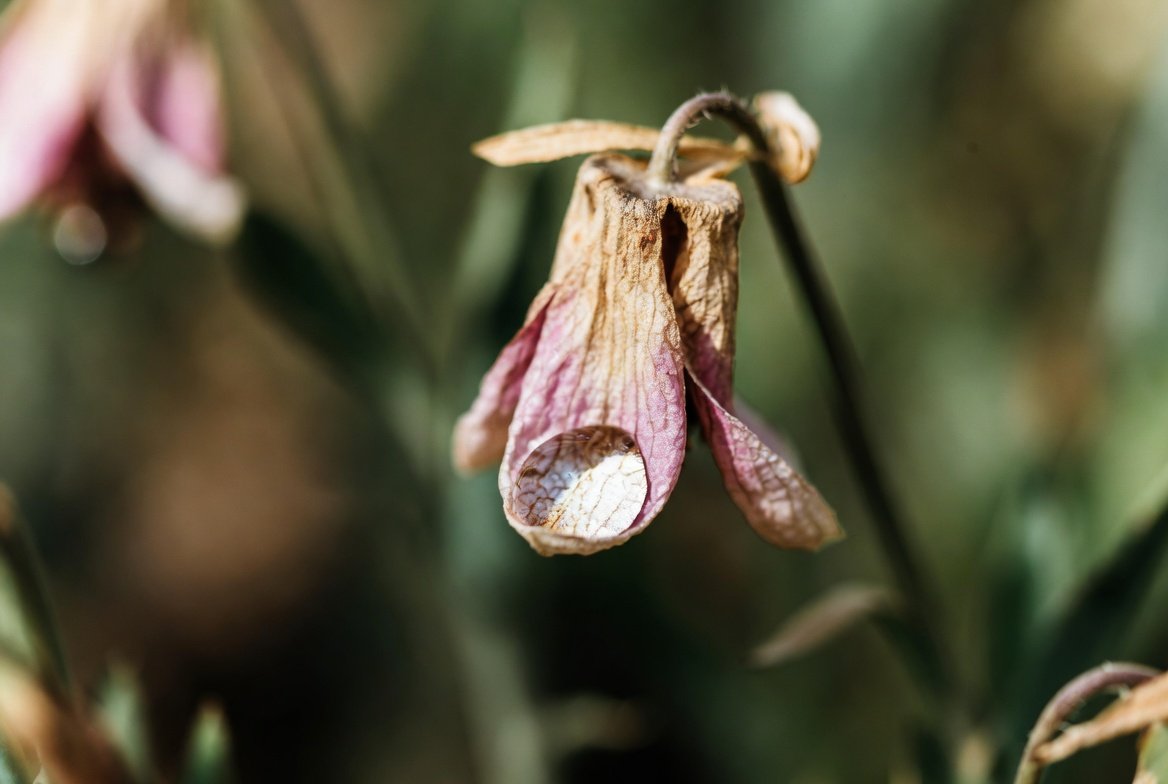
Few images evoke deeper reflection than tears on a withered flower. This poignant metaphor captures the delicate interplay between beauty and decay, sorrow and renewal, reminding us of life’s transient yet profound journey. As petals lose their vibrant hue and droop under the weight of time, a single tear-like drop of dew or rain clings to the fragile form, symbolizing the emotions that linger even after glory fades.
The Symbolism of Withered Flowers: Nature’s Gentle Reminder
Nature offers endless lessons through its cycles, and the withered flower stands as one of its most eloquent teachers. A once-blooming rose or lily, full of color and fragrance, gradually fades as its petals curl and brown. This process is not mere destruction but a natural transition, where the flower’s essence returns to the earth to nourish new growth. Withered flower symbolism often represents the passage of time, the inevitability of change, and the quiet dignity found in endings.
Biologically, withering occurs as the plant conserves energy, redirecting nutrients from petals to seeds or roots. Chlorophyll breaks down, revealing underlying pigments that shift from vivid greens and pinks to muted earth tones. Yet, even in this state, the flower holds a subtle beauty—its structure intact, a testament to resilience amid hardship. Gardeners and botanists observe how withered blooms contribute to soil health, their decay enriching the ground for future seasons. This cycle mirrors how moments of loss in our lives can pave the way for fresh opportunities.
Environmental factors accelerate or soften this transformation. Drought, harsh winds, or seasonal shifts cause petals to wither faster, much like life’s unexpected trials that test our spirit. In contrast, gentle rains may leave traces resembling tears, highlighting nature’s empathy in its rhythms. These observations invite us to pause and appreciate the faded petals of sorrow not as failure, but as part of a larger, harmonious design.
Tears: Droplets of Emotion in the Language of Flowers
Tears have long symbolized release, purification, and profound feeling across cultures. When imagined on a withered flower, they blend human vulnerability with botanical fragility. In the language of flowers, also known as floriography, blooms convey unspoken messages—roses for love, lilies for purity—but a withered one whispers of farewell, remembrance, or quiet endurance.
Dew or rain on faded petals can appear as tears, evoking empathy for what was once vibrant. This imagery appears in folklore where flowers “weep” for lost beauty or unfulfilled potential. Such scenes encourage introspection: Have we, like the flower, endured seasons of drought in our hearts? The tear represents not weakness but a sacred acknowledgment of what has passed, allowing space for healing.
Poetic Interpretations: From Classic Verses to Modern Reflections
Poetry has immortalized the image of faded blooms and lingering sorrow for centuries. Robert Frost’s “Nothing Gold Can Stay” beautifully illustrates this transience, noting how nature’s first green is gold, only to fade into ordinary leaves. The poem reminds readers that even the most precious moments wither, yet their memory endures like dew on dry petals.
In Eastern traditions, poets liken the human soul to a flower facing autumn winds. Urdu and Persian verses often describe withered roses as symbols of fleeting youth or unrequited affection, yet they urge acceptance and gratitude for the bloom that once was. These works transform personal grief into universal wisdom, showing how tears on faded forms lead to deeper appreciation of life’s impermanence.
Modern poets extend this metaphor to contemporary struggles. A faded flower might represent lost dreams, aging, or societal pressures, with tears signifying compassionate self-reflection. Through such verses, we learn that writing or reciting poetry about withered beauty becomes an act of preservation—capturing emotions before they fully dissolve.
In the heart of this exploration lies the enduring image of tears on a withered flower, a motif that bridges personal stories with collective human experience. It appears midway through life’s narrative, not as an end, but as a turning point where sorrow meets subtle hope.
Cultural Perspectives: Wisdom from Traditions and Faith
Different cultures view withered flowers through lenses of respect and renewal. In many Asian philosophies, the cycle of bloom and decay teaches detachment without despair. Flowers offered at shrines or graves honor the departed, their withered state symbolizing eternal rest rather than abandonment.
From an Islamic viewpoint, nature serves as a sign (ayat) of divine wisdom. The Quran highlights how plants grow, flourish, and return to dust, paralleling human life and encouraging patience (sabr) during trials. A withered flower, adorned with what seems like tears, illustrates tawakkul—trust in a higher plan where every ending holds potential for rebirth. This perspective fosters resilience, urging believers to see beauty in every phase.
Western folklore similarly preserves dried blooms in keepsakes, valuing their story over perfection. These traditions collectively affirm that tears on a withered flower are not tragic but sacred markers of growth through adversity.
Lessons in Resilience and Personal Growth
The metaphor extends powerfully into self-development. Just as a withered flower retains its core structure, individuals facing loss—whether of relationships, opportunities, or vitality—can draw strength from within. Resilience emerges not despite withering but because of it, much like roots deepening underground.
Consider everyday examples: A parent watching children grow independent might feel like a faded bloom, yet their “tears” water seeds of wisdom for the next generation. Professionals navigating career shifts experience similar fades, only to discover renewed purpose in new pursuits.
For deeper insights into building mental toughness during such phases, explore resources on unshackling the mind and winning inner battles. Similarly, embracing the art of self-love offers practical steps to heal emotionally and boost confidence amid life’s witherings.
Real-life stories reinforce these lessons. Biographies of remarkable women highlight how resilience forms the foundation of success, turning personal hardships into legacies of strength and kindness. These narratives echo the flower’s journey: what appears withered holds untapped potential for renewal.
Artistic Representations: Capturing the Metaphor in Visuals and Media
Artists across mediums have depicted tears on withered flowers to evoke emotion. Painters use soft lighting on drooping petals to convey melancholy laced with hope. Photographers capture dew-kissed blooms in macro detail, highlighting intricate veins that persist despite fading colors.
In sculpture and installations, dried flowers arranged with crystal-like “tears” symbolize memory and transformation. Digital art and illustrations today amplify this imagery, making it accessible for reflection in homes and galleries. Such creations invite viewers to confront their own faded moments with compassion.
Fashion and beauty trends sometimes incorporate preserved blooms, celebrating faded elegance as timeless. For more on evolving styles that honor natural beauty in all stages, consider related explorations in creative expressions. (Note: adapted to site context for broader inspiration.)
Practical Applications: Integrating the Metaphor into Daily Life
How can we apply this symbolism practically? Start with mindfulness practices: Observe a garden flower daily, noting its changes without judgment. Journaling about personal “withered” experiences—lost joys or challenges—can transform tears into insights.
Gardening itself becomes therapeutic. Planting new seeds beside withered ones teaches renewal hands-on. Community projects restoring neglected green spaces mirror emotional healing on a larger scale.
In relationships, the metaphor encourages empathy. Recognizing a loved one’s faded moments allows supportive presence, much like rain nourishing dry soil. Educational programs using nature metaphors foster emotional intelligence in children, building early resilience.
Environmental Connections: Withering in a Changing World
Climate shifts affect floral cycles globally, with droughts causing widespread withering. This reality parallels human struggles with uncertainty, urging collective action for sustainability. Conservation efforts revive ecosystems, showing how care can reverse apparent decay.
Advocacy for green spaces in urban areas revives “withered” environments, offering hope that personal and planetary renewal go hand in hand. Tears on a withered flower thus extend to ecological lament and call to stewardship.
Philosophical Depth: Embracing Impermanence for Inner Peace
Philosophers from various eras emphasize accepting change. The withered flower embodies impermanence (anicca in some traditions), freeing us from attachment to fleeting forms. Tears signify honest grief, essential for moving forward with grace.
This acceptance cultivates inner peace. Rather than resisting wither, we honor it, allowing new blooms to emerge stronger. Mindfulness meditation often uses floral imagery for this purpose, guiding practitioners toward equanimity.
Conclusion: Finding Hope in Every Withered Petal
Ultimately, the image of tears on a withered flower reminds us that endings are never absolute. Beauty lingers in memory, lessons root deeply, and renewal awaits those who persevere. Whether in a garden, poem, or quiet moment of reflection, this metaphor nurtures the soul.
As we navigate life’s seasons, let us view our faded moments with the same tenderness nature shows its flowers. In doing so, we discover that every tear holds the promise of tomorrow’s bloom. Embrace the withering, cherish the tears, and trust in the cycles that sustain us all.