
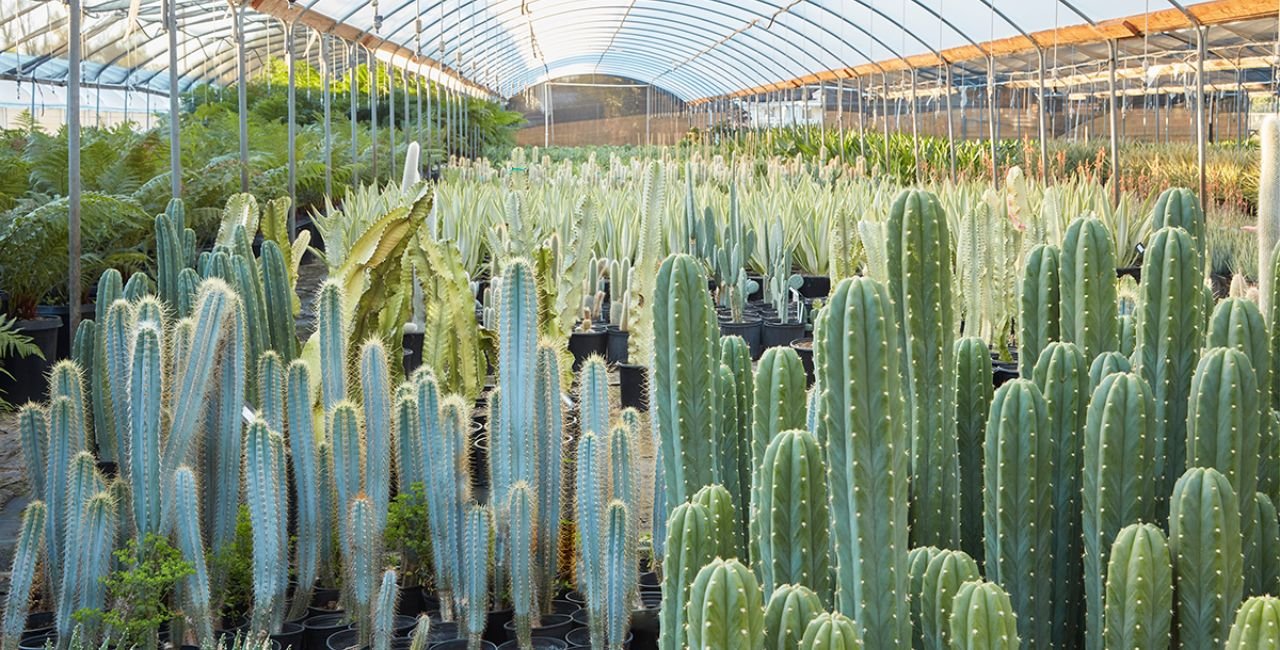
The echinopsis pachanoi cactus san pedro stands out as a remarkable plant from the Andes. People admire it for its tall stems and beautiful flowers. This guide dives into its world. You will learn about its roots in history and how to care for it today. Gardeners love this cactus because it grows fast and looks striking in any setting.
What Makes the Echinopsis Pachanoi Cactus San Pedro Special?
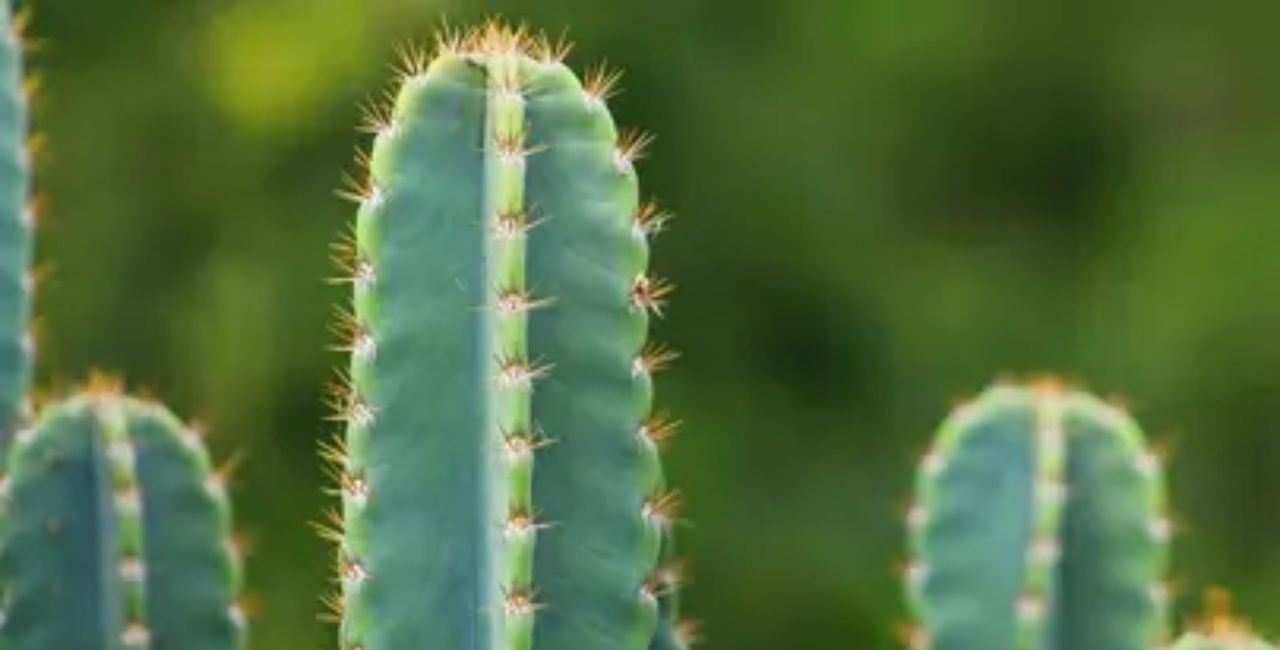
This section explains the basics. The echinopsis pachanoi cactus san pedro comes from high mountains in Ecuador and Peru. It thrives at elevations between 2,000 and 3,000 meters. The plant features columnar stems that reach up to 6 meters tall. Some even grow to 12 meters in rare cases. Its skin shows a light green color, sometimes with a blue tint. Ribs number from six to eight on each stem.
Flowers bloom at night. They shine white and measure 19 to 24 centimeters long. A sweet scent fills the air when they open. Fruits follow, dark green and oblong. Inside, white flesh holds black seeds. Spines vary. Wild ones have up to seven per areole, but cultivated types often lack them or show short ones.
Experts classify it under the Cactaceae family. Its scientific name shifted over time. First called Trichocereus pachanoi in 1920, it became Echinopsis pachanoi later. Plants of the World Online confirms this name. The cactus adapts well to different soils but needs good drainage.
History and Background of the Echinopsis Pachanoi Cactus San Pedro
People used the echinopsis pachanoi cactus san pedro for thousands of years. Evidence dates back over 3,000 years in Andean cultures. Ancient groups like the Chavín, Moche, and Nazca included it in art and rituals. Archaeologists found cactus images on pottery and textiles from 2,000 years ago.
Spanish explorers arrived in the 1500s. They tried to stop its use in ceremonies. But locals kept traditions alive. They named it San Pedro after Saint Peter, who holds keys to heaven. This linked the plant to Christian ideas while preserving old ways.
In Peru, the Ministry of Culture declared its traditional use as cultural heritage in 2022. Shamans, called curanderos, boil stems into a brew called cimora. They add other plants like tobacco. This helps in healing and spiritual work. Sites like Las Huaringas lagoons host these events.
The cactus spread beyond South America. It grows in Bolivia, Colombia, Chile, the Canary Islands, and Spain. Indigenous groups in Ecuador and Argentina value it too. Yachakkuna healers use it for visions and cleansing.
Modern interest grew in the 20th century. Books and articles highlighted its role in shamanism. Media like The New York Times Magazine covered it in 2005. National Geographic Adventure featured stories in 2006. These boosted global awareness.
Statistics show its popularity. In the US, cactus enthusiasts form communities online. Forums discuss cultivars like Yowie and Vilcabamba A. These types offer unique traits for collectors.
Cultural Significance and Traditional Uses
Cultures treasure the echinopsis pachanoi cactus san pedro for deep reasons. In Andean shamanism, it connects people to spirits. Curanderos lead sessions in mesas norteñas. They diagnose illnesses and clear bad energies. Participants seek insights from ancestors.
Names vary by region. In Quechua, it’s achuma or huachuma. Other terms include wachuma, aguacolla, and giganton. These reflect its giant size and sacred role.
Rituals happen at night. Flowers bloom then, adding magic. Brews induce visions. Users report spiritual growth and healing. Studies in the Journal of Ethnopharmacology note low risks in guided settings.
Beyond rituals, it serves practical purposes. In Mexico, people plant it as fences. Its fast growth blocks animals and provides shade.
Global views shifted. Psychedelic research in the 1960s explored its compounds. Today, retreats in Peru attract tourists. But experts stress respect for traditions.
Quotes from shamans highlight its power. One curandero said, “San Pedro opens doors to the soul.” This captures its essence.
Botanical Description and Characteristics
Let’s break down the plant’s features. Stems grow upright and branch from the base. Diameter ranges from 6 to 15 centimeters. Ribs give a star-like cross-section.
Areoles sit along ribs. They produce spines, flowers, and new growth. Spines protect against animals. In cultivation, breeders select spineless types for safety.
Flowers impress with size and fragrance. Petals spread wide, up to 20 centimeters across. They attract moths for pollination. Fruits ripen quickly, bursting open.
The cactus contains alkaloids. Mescaline leads the list, at 0.053% to 4.7% dry weight. Other compounds include tyramine and hordenine. These give it unique properties.
Conservation status is Least Concern per IUCN. Wild populations thrive. But habitat loss poses future risks.
Examples of growth: In ideal conditions, it adds 30 centimeters yearly. This beats many cacti.
Cultivation Tips for Echinopsis Pachanoi Cactus San Pedro
Growing the echinopsis pachanoi cactus san pedro proves easy. Follow these steps for success.
Choose the Right Location
- Pick a spot with full sun. At least six hours daily.
- In hot areas, provide afternoon shade to prevent burns.
- Indoors, use grow lights like LED or sodium halide.
Prepare the Soil
- Mix equal parts potting soil, sand, and perlite.
- Add pebbles at the bottom for drainage.
- Use wide pots to match root spread.
Water Properly
- Wait until soil dries fully.
- In summer, water every one to two weeks.
- Winter: Once every three to four weeks.
- Avoid overwatering to stop rot.
Fertilize Regularly
- Apply balanced fertilizer in spring and summer.
- Every two weeks works best.
- Cut back in fall and winter.
Handle Temperature and Humidity
- Keep between 18°C and 27°C.
- Tolerates brief cold if dry.
- Humidity at 40% to 60% prevents issues.
USDA zones 8b to 10 suit it. Minimum temperature: -9.4°C.
Tips: Rotate pots for even growth. Watch for etiolation in low light.
Propagation Methods
You can multiply your cactus easily. Here are ways.
From Cuttings
- Select a Stem: Choose a healthy one with areoles.
- Cut Cleanly: Use a sharp knife.
- Dry the End: Let it callus for days.
- Plant It: In moist soil, indirect light.
From Seeds
- Sow in containers with humidity.
- Germinate in 6 to 12 months.
- Use “Takeaway Tek” for best results.
From Pups
- Separate suckers carefully.
- Dry cuts, then plant.
Grafting
- Attach to rootstock like Pereskiopsis.
- Secure with tape.
- Heal in shade.
These methods clone traits. Cultivars like Ogunbodede excel this way.
Common Problems and Solutions
Issues arise, but fixes exist.
Pests
- Spider Mites: Yellow leaves? Spray neem oil.
- Mealybugs: White spots? Use alcohol swabs.
- Scales: Scrape off gently.
Diseases
- Root rot from wet soil: Repot in dry mix.
- Black spots: Often harmless scarring. Cut if soft.
Other Issues
- Sunburn: Move to shade gradually.
- Wilting: Check humidity levels.
Reassure: Most problems fix quickly with care.
Legal Status and Buying Guide
The echinopsis pachanoi cactus san pedro is legal for ornamental use in the US. Mescaline inside it falls under Schedule I. But the plant itself sells freely if not for consumption.
States vary. Cities like Denver decriminalized possession. Check local laws.
Buy from trusted sources. Avoid talks of non-garden uses.
Compared to peyote, it’s easier to get. Peyote bans are stricter.
Tips: Consult experts. Advocate safely.
For more on legality, see this buying guide.
Modern Applications and Research
Today, interest grows in its compounds. Studies explore mescaline for therapy. But focus stays on gardening.
In landscapes, it adds height. Greenhouses love its speed.
Statistics: Mescaline content varies by part. Skin holds most.
Environmental Impact and Conservation
The cactus faces few threats. But climate change affects Andes.
Plant it to help biodiversity. Sustainable growth aids.
Comparing to Other Cacti
Unlike peyote, it grows faster. Peyote takes years to mature.
Trichocereus relatives share care needs.
Personal Stories and Experiences
Gardeners share tales. One said, “My San Pedro bloomed huge flowers!”
Communities on forums exchange tips.
Advanced Care Techniques
For experts: Graft for speed. Use pumice in soil.
Monitor pH: Neutral works best.
Seasonal Care Adjustments
Summer: More water. Winter: Less, protect from frost.
Tools and Supplies Needed
- Pots with holes.
- Soil mix.
- Pruning tools.
- Fertilizer.
Benefits of Growing This Cactus
- Low maintenance.
- Beautiful blooms.
- Cultural value.
Potential Risks
Overwatering tops the list. Pests follow.
Handle spines carefully.
Integrating into Home Decor
Place in sunny spots. Use as focal points.
Global Variations and Cultivars
Yowie: Short spines. Vilcabamba A: Fast grower.
Scientific Studies and Findings
Research in alkaloids dates to 1890s. Modern papers confirm effects.
Economic Aspects
Sells well in nurseries. Prices vary by size.
Community and Resources
Join cactus societies. Online groups help.
For care details, check this cactus care blog.
Myths and Facts
Myth: Always illegal. Fact: Ornamental is fine.
Future Outlook
More research may come. Gardening trends rise.
FAQs About Echinopsis Pachanoi Cactus San Pedro
What is the echinopsis pachanoi cactus san pedro? A tall Andean cactus with white flowers.
How do I grow it? Use draining soil, sun, sparse water.
Is it legal? Yes, for gardens.
What pests affect it? Mites, bugs—treat with oils.
Where does it originate? Andes mountains.
For background, visit Wikipedia.
Conclusion
The echinopsis pachanoi cactus san pedro offers history, beauty, and ease. From ancient rituals to modern gardens, it captivates. Grow it with care for rewarding results. What draws you to this unique cactus?
References
- Wikipedia on Echinopsis pachanoi: Comprehensive history and description.
- Cactus En Ligne Blog: Detailed care instructions.
- San Pedro Source: Legal buying guide for USA.