
Choosing an estate agent when selling your home is one of the biggest decisions in the whole moving process. The right agent can help you reach a better price, find serious buyers quickly and keep the chain moving. The wrong one can overvalue your home, tie you into a long contract and leave it sitting on the market for months. Comparing local options through a trusted UK estate agent comparison service [Insert Link Here] is a sensible first step before you invite anyone round for a valuation.
This guide explains the types of estate agents in the UK, how fees work, what to ask at a valuation, the contract terms to check and the mistakes that cost sellers money.
High street, online or hybrid: which type of agent?
Traditional high street agents
Local high street agents usually charge a percentage of the final sale price and handle almost everything: valuation, photos, listings, viewings, negotiation and chasing the chain. Their strength is local knowledge and a list of buyers already looking in your area.
Online agents
Online agents often charge a fixed fee, sometimes paid upfront whether or not the home sells. They list your property on the major portals at a lower cost, but you may need to host viewings yourself and do more of the chasing.
Hybrid agents
Hybrid agents combine an online platform with a local property expert who visits your home. Fees are usually fixed and lower than traditional agents, with more support than a purely online service.
How estate agent fees work
| Fee type | How it works | Watch out for |
|---|---|---|
| Percentage of sale price | Paid on completion, usually plus VAT | Check whether the quoted rate includes VAT |
| Fixed fee | Set amount, sometimes paid upfront | Whether you pay even if the home does not sell |
| Extras | Floor plans, premium listings, energy certificates | Costs added on top of the headline fee |
Always ask for the total cost in writing, including VAT and any extras, so you can compare agents fairly.

Getting a valuation without being misled
Invite at least three agents to value your home. Be cautious if one valuation is far higher than the others: some agents quote high to win the instruction, then suggest price cuts weeks later. Ask each agent to show recent sold prices for similar homes nearby, not just asking prices, and explain how they reached their figure. You can also check sold prices yourself through official HM Land Registry house price data before the valuations.
Questions to ask every estate agent
- How many similar homes have you sold nearby in the last six months, and at what percentage of the asking price?
- How long do homes like mine usually take to sell with you?
- Who will carry out viewings, and at what times, including evenings and weekends?
- Which property portals and social channels will you advertise on?
- Will I have one main contact, and how often will you update me?
- How do you check that buyers can afford the property before accepting offers?
A professional, well-reviewed local estate agency with strong sales records [Insert Link Here] should answer these clearly and back them up with figures.
Contract terms to check before you sign
- Sole agency vs multi-agency: sole agency gives one agent exclusive rights for a set period and is usually cheaper; multi-agency lets several agents market the home but costs more.
- Tie-in period: try to keep it to around eight to twelve weeks so you can switch if things are not working.
- Notice period: check how much notice you must give to end the contract.
- “Sole selling rights”: avoid this clause where possible, as you may owe a fee even if you find a buyer yourself.
- Withdrawal fees: some agents charge if you take the home off the market.
Preparing your home for viewings
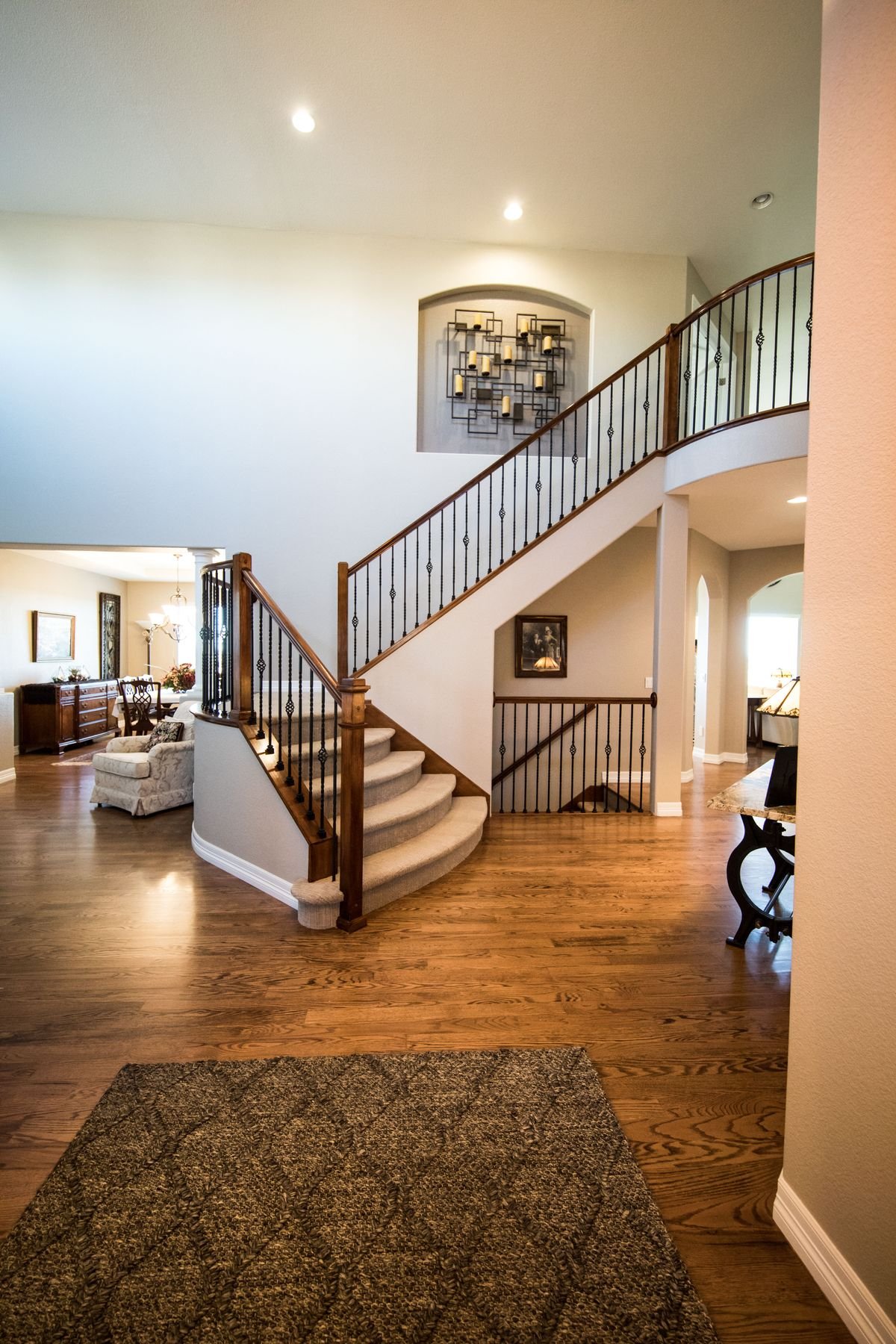
First impressions matter. Declutter, fix small repairs, freshen paintwork, let in as much light as possible and tidy the front garden. Good photos and a clear floor plan help listings stand out online, where most buyers start their search. If you are moving, sort out your broadband switch early too; our guide to One Touch Switch broadband explains how changing provider now works in the UK.
Understanding the selling process step by step
- Valuations and choosing an agent: compare at least three agents, their fees and their marketing plans.
- Energy Performance Certificate: you need a valid EPC before marketing your home in England and Wales; many agents can arrange one.
- Marketing: photos, floor plan, description and listing on the main property portals.
- Viewings and offers: your agent books viewings, collects feedback and passes on every offer in writing.
- Agreeing a sale: once you accept an offer, the agent prepares a memorandum of sale for both solicitors.
- Conveyancing: solicitors handle searches, enquiries and contracts. A good agent keeps chasing the chain during this stage.
- Exchange and completion: contracts are exchanged, the move date is fixed and the keys are handed over on completion.
What great estate agents do differently
The best agents do more than list your home online. They price it realistically from day one, write descriptions that sell the lifestyle as well as the rooms, use professional photography and accompany viewings rather than handing over keys. They also qualify buyers carefully, checking mortgage approvals and chain positions before recommending an offer, and they keep pushing solicitors and other agents so the sale does not stall for weeks. Ask previous sellers in your area about their experience; recommendations from neighbours are often the most reliable guide.
Selling in a slower market
When buyers have more choice, pricing correctly from the start matters even more. Homes that sit unsold for months tend to attract lower offers. Ask agents how they would adjust the marketing if interest is slow, and agree a review date, such as four to six weeks after listing, to look at viewing numbers and feedback together.
Common mistakes sellers make
- Choosing the agent with the highest valuation rather than the best evidence.
- Comparing fees without checking VAT and extras.
- Signing a long tie-in contract without reading the notice terms.
- Ignoring online reviews and local sales records.
- Accepting the first offer without checking the buyer’s position and finances.
Frequently asked questions
How many estate agents should value my home?
At least three. It gives you a realistic price range and a fair comparison of fees and service.
Are online estate agents cheaper?
Usually, yes, but some charge upfront and offer less help with viewings and negotiation. Compare the total cost and the level of support.
Can I switch estate agents?
Yes, once your tie-in and notice periods allow. Check the contract for any fees owed if a buyer introduced by the first agent later buys.
How long does it take to sell a house in the UK?
It varies by area and price, but finding a buyer and completing the legal work commonly takes several months from listing.
Final thoughts
The best way to choose an estate agent when selling your home is to compare evidence, not promises: realistic valuations, clear fees, fair contract terms and a strong local track record. Take your time over the decision and you will save money and stress later. When you are ready to compare options in your area, start with this trusted estate agent finder [Insert Link Here] and use the checklist above at every valuation.