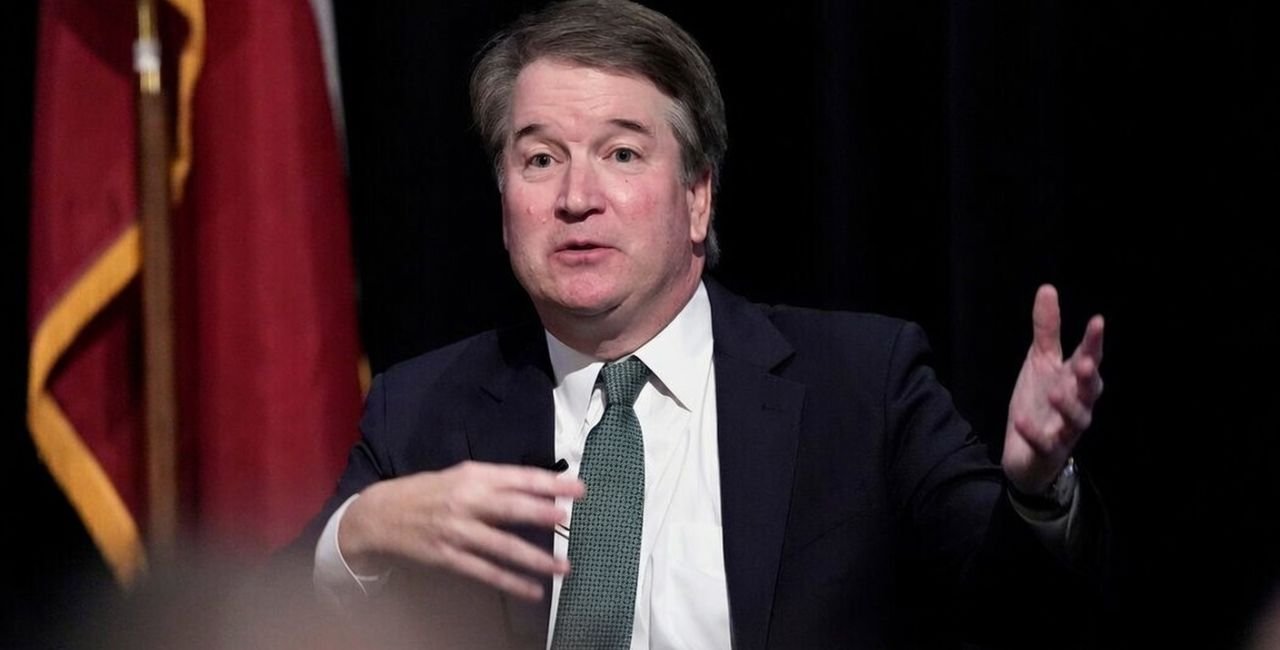
In recent years, public talks by high-profile figures like Supreme Court justices offer rare glimpses into their thoughts on law and society. The kavanaugh texas college speech stands out as one such event. Held at McLennan Community College in Waco, Texas, this address by Justice Brett Kavanaugh drew attention for its focus on core American values. He spoke on September 11, 2025, amid ongoing debates about the role of the judiciary. This speech honored his former mentor, Ken Starr, and touched on themes that resonate with many Americans today.
Early Life and Path to the Bench
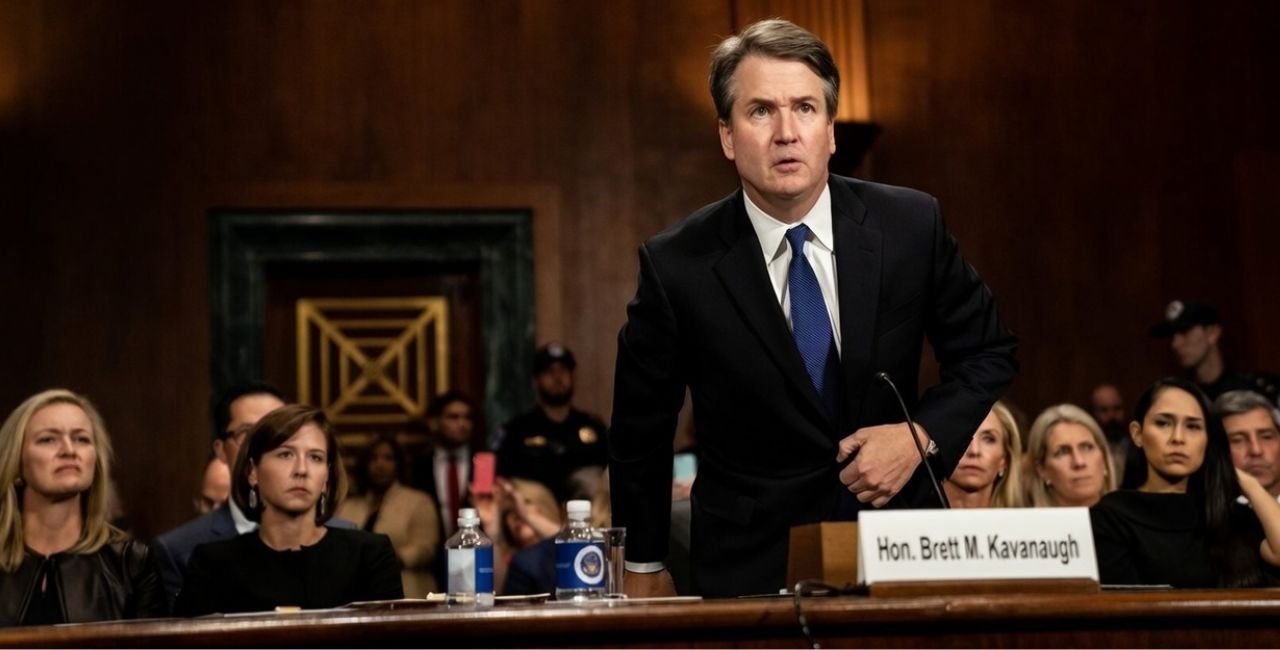
Brett Kavanaugh grew up in Washington, D.C., born on February 12, 1965. His parents shaped his views on hard work and public service. His father worked as a lawyer, and his mother taught history before becoming a judge. From a young age, Kavanaugh showed interest in sports and studies. He went to Georgetown Preparatory School, where he led the basketball team and played football. These early experiences built his drive.
After high school, Kavanaugh headed to Yale University. He studied history and played on the junior varsity basketball team. He also wrote for the school paper on sports topics. In 1987, he finished with honors. Then, he moved to Yale Law School, joining the law journal and building ties with future leaders. He earned his law degree in 1990. These steps laid the groundwork for his career in law.
Kavanaugh started with clerkships, a key step for many judges. He worked for Judge Walter Stapleton on the U.S. Court of Appeals for the Third Circuit from 1990 to 1991. Next, he clerked for Judge Alex Kozinski on the Ninth Circuit from 1991 to 1992. In 1993, he joined the Supreme Court as a clerk for Justice Anthony Kennedy. These roles gave him deep insight into how courts work.
Key Roles in Government
Kavanaugh’s career took off in public service. From 1994 to 1997, he served in the Office of Independent Counsel under Ken Starr. He helped investigate matters tied to President Bill Clinton. This work included drafting parts of the Starr Report, which led to impeachment talks. Kavanaugh argued a case before the Supreme Court in 1998 about attorney-client rights. Though he lost, it showed his skill in tough legal fights.
In 2001, Kavanaugh joined the White House under President George W. Bush. He worked as associate counsel, then staff secretary from 2003 to 2006. In this role, he handled key papers and helped with judicial picks. He played a part in naming Chief Justice John Roberts and Justice Samuel Alito. Bush nominated Kavanaugh to the U.S. Court of Appeals for the D.C. Circuit in 2003. The process took three years due to debates over his views. He got confirmed in 2006 by a 57-36 vote.
On the D.C. Circuit, Kavanaugh served for 12 years. He wrote over 300 opinions. His work covered environmental rules, health care, and national security. For example, he ruled on cases about the Affordable Care Act and gun rights. The Supreme Court agreed with his views in 13 of 14 cases it reviewed. This record highlighted his conservative approach, focusing on the text of laws and the Constitution.
Kavanaugh also taught law. He led classes at Harvard Law School on separation of powers from 2008 to 2015. He taught at Yale and Georgetown too. His writings include books like “The Law of Judicial Precedent” in 2016. These efforts showed his commitment to teaching the next generation about law.
The Supreme Court Nomination
President Donald Trump picked Kavanaugh for the Supreme Court in 2018 to replace Justice Anthony Kennedy. The hearings started in September. They focused on his record and views on issues like abortion and presidential power. Kavanaugh stressed that judges should act like umpires, calling balls and strikes without bias.
The process faced challenges. Accusations of misconduct from his past came up. Christine Blasey Ford said Kavanaugh assaulted her in high school. He denied it strongly. Other claims followed, but one woman later took back her story. The FBI looked into the claims but found no proof. The Senate voted 50-48 to confirm him on October 6, 2018. He took the oath that day.
Since joining the Court, Kavanaugh has voted in major cases. He helped overturn Roe v. Wade in 2022. He supported gun rights in New York State Rifle & Pistol Association v. Bruen. In Trump v. United States, he backed limits on prosecuting former presidents. His opinions often stress original meaning of the Constitution.
Details of the Kavanaugh Texas College Speech
The kavanaugh texas college speech took place at McLennan Community College. It was part of the Ken Starr Lecture Series. Starr, who died in 2022, led the probe into Clinton and served as Baylor University president. Kavanaugh worked for Starr early in his career, so the event honored that bond.
About 2,500 people attended the talk in the Highlands Gym. No video cameras were allowed, per college rules. This kept the focus on live listeners. Kavanaugh spoke for about an hour. He shared stories from his life and ties to Texas.
One key theme was separation of powers. Kavanaugh said the founders were smart to split power among branches. He quoted: “The framers recognized, in a way that I think is brilliant, that preserving liberty requires separating the power. No one person or group of people should have too much power in our system.” This came amid talks about the Supreme Court’s role in recent rulings.
He also called for civility. On the 24th anniversary of 9/11, he urged mutual respect. He said people should listen to each other, even if they disagree. This message felt timely, with protests outside the event.
About 50 protesters gathered. They held signs against the Court for decisions seen as favoring Trump. One sign read “Make the Court Supreme Again.” Despite this, the speech went on smoothly. Attendees saw a relaxed Kavanaugh. He joked about running three miles in 103-degree heat at Bush’s ranch in Crawford, Texas.
Kavanaugh shared his fondness for Texas. Though from D.C., he has strong links there. He worked with Bush and Starr, both Texans. He praised the state’s spirit and people. This personal touch made the speech engaging.
Why the Speech Matters
Speeches like the kavanaugh texas college speech help bridge the gap between the Court and the public. Justices rarely speak out, so these events offer insight. Kavanaugh’s words reassured listeners about the system’s checks and balances.
In a time of divided views, his call for respect stands out. Statistics show trust in the Supreme Court has dropped. A 2023 Pew Research poll found only 44% of Americans view it favorably, down from 70% in 2020. Kavanaugh’s speech addressed this by explaining the Court’s role.
It also highlighted education’s value. At a community college, he spoke to students and locals. Community colleges serve over 10 million students yearly, per the American Association of Community Colleges. They provide affordable paths to careers. Kavanaugh’s presence showed support for such schools.
Achievements and Impact
Kavanaugh’s career boasts many wins. As a judge, he shaped law on key issues. His book on precedent is used in law schools. He has hired diverse clerks, including the first all-female team on the Supreme Court.
His running hobby adds a human side. He finished the Boston Marathon twice, in 2010 and 2015. Times were around four hours each. This shows discipline beyond the bench.
In teaching, he influenced hundreds of students. At Harvard, he taught over 500. Many went on to clerk for him or other judges. This mentorship builds the legal field.
On the Court, his votes affect daily life. In Dobbs v. Jackson Women’s Health Organization, he helped return abortion rules to states. This changed laws in many places, including Texas.
Controversies and Responses
No career is without bumps. During confirmation, claims tested Kavanaugh. He called them a “political hit.” The Senate moved forward after review.
In 2022, a man tried to harm him over Court leaks. This showed risks justices face. Kavanaugh stayed focused on work.
Critics say the Court leans too conservative. Three justices, including Kavanaugh, were named by Trump. Recent rulings on emergency stays have favored the administration 80% of the time, per a 2023 study by the Brennan Center for Justice.
Yet, Kavanaugh points to the Constitution. In his speech, he reassured that no one branch dominates.
Broader Context of Judicial Speeches
Judges often speak at colleges to share wisdom. For example, Justice Sonia Sotomayor talks at schools about her life. These events inspire young people.
The Ken Starr Series has hosted others like Justice Don Willett in 2024. It focuses on law and leadership.
Kavanaugh’s talk fits this tradition. It drew from his experiences to teach lessons.
Lessons from Separation of Powers
Kavanaugh stressed this idea. Here’s how it works in simple terms:
- Legislative Branch: Makes laws. Congress passes bills.
- Executive Branch: Enforces laws. The president leads this.
- Judicial Branch: Interprets laws. Courts decide cases.
This split prevents abuse. As James Madison wrote in Federalist Paper No. 51, “Ambition must be made to counteract ambition.”
In practice, it means checks like vetoes and overrides. Kavanaugh’s words remind us why this matters.
Ties to Texas and Personal Stories
Kavanaugh’s Texas links run deep. He visited Bush’s ranch often. He ran in the heat, showing grit.
He admired Starr as a mentor. Starr led Baylor from 2010 to 2016. Kavanaugh spoke at Baylor Law School too, in the same series.
These stories made the speech relatable. He shared laughs about Texas weather.
Public Reaction and Media Coverage
The speech got wide coverage. Outlets like The Hill and AP reported on it. They noted the timing, with Court criticism.
Local news like KWTX covered protesters and attendees. One attendee said it was “inspiring.”
Social media buzzed. Posts shared quotes on power.
Importance of Community Colleges
McLennan Community College hosted well. Founded in 1965, it serves over 8,000 students. It offers degrees in health, tech, and more.
Events like this boost the school. They bring in speakers who motivate.
Statistics show community colleges graduate 30% of U.S. undergrads. They help with job training.
Kavanaugh’s Judicial Philosophy
Kavanaugh follows originalism. This means looking at what the Constitution meant when written.
In cases, he asks: What did the words say then?
This approach guides his rulings on rights and powers.
He also values precedent but says it can change if wrong.
Future Implications
The speech hints at ongoing debates. With elections near, Court roles matter.
Kavanaugh’s words reassure that the system works.
They encourage dialogue over division.
FAQs on the Kavanaugh Texas College Speech
What was the main topic of the kavanaugh texas college speech? It focused on separation of powers and civility.
Where did the speech happen? At McLennan Community College in Waco, Texas.
Why was it held? As part of the Ken Starr Lecture Series to honor Starr.
Were there protesters? Yes, about 50 people demonstrated outside.
Can I watch the speech? No, video was not allowed.
Wrapping Up the Insights
The kavanaugh texas college speech offered valuable lessons on power, respect, and law. Justice Kavanaugh shared his views in a personal way, drawing from his career and ties to Texas. From his early days at Yale to his role on the Supreme Court, his path shows dedication to justice. Amid challenges, he reassures us that the founders’ design keeps liberty safe. This event at McLennan Community College reminded us of education’s role in society.
What do you think about the separation of powers in today’s world? Share your thoughts below.
References:
- The Hill article on Kavanaugh’s speech: https://thehill.com/regulation/court-battles/5500812-kavanaugh-texas-community-college/ – Details the key quotes and context of the event.
- Wikipedia entry on Brett Kavanaugh: https://en.wikipedia.org/wiki/Brett_Kavanaugh – Provides comprehensive background on his life and career.
- Know Your Rights PDF: http://www.sdea.net/wp-content/uploads/Know-Your-Rights-Temporary-Contracts-SEP-15.pdf – Offers insights into legal rights in education, relevant for understanding judicial impacts on contracts.