In secure settings like government facilities, people often ask which of the following is permitted within a SCIF. This question pops up a lot in training sessions for folks handling secret info. A SCIF, or Sensitive Compartmented Information Facility, acts as a safe room where teams discuss or work on classified matters without worry of leaks. Rules here keep things tight to guard national secrets. This article breaks down the do’s and don’ts, drawing from official DoD sources, to help you grasp what stays allowed and what gets banned.
What Makes a SCIF Special?
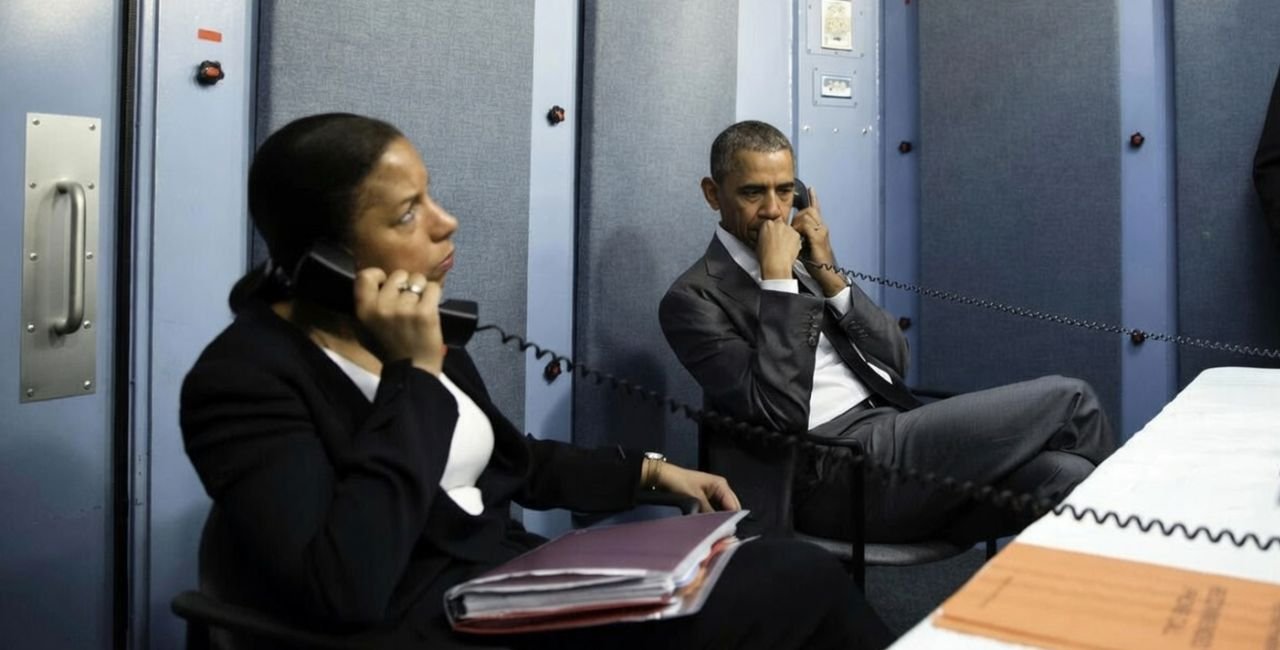
SCIFs stand out as top-level secure spots. They get built with thick walls, no windows or special covers if needed, and locks that only let cleared people in. Think of them as vaults for info, not cash. The U.S. government sets them up in places like military bases, intel agencies, and even some private firms with contracts.
These rooms block out sounds, signals, and spies. They follow strict plans from bodies like the Director of National Intelligence. Why? To stop foreign agents or hackers from grabbing data that could hurt the country. For example, during Cold War times, SCIFs helped keep plans hidden from rivals.
Teams use SCIFs for meetings on ops, data review, or tech tests. But entry demands clearance, like Top Secret level, plus extra checks. No one just walks in. Guards or systems watch doors round the clock.
History and Growth of SCIF Rules
SCIF ideas started in World War II when allies needed safe spots to share war plans. Back then, simple locked rooms did the job. But tech grew, so did threats. By the 1960s, the CIA and NSA pushed for better builds with anti-bug features.
In 1995, a big directive called DCID 1/21 set base rules. It changed to ICD 705 in 2010, making things tougher. Now, SCIFs must pass tests for sound leaks, signal blocks, and more. DoD adds its own twists through cyber awareness programs.
Stats show growth: In 2020, over 10,000 SCIFs ran across U.S. sites, per a GAO report. That’s up from 5,000 in 2000. More remote work post-COVID pushed for mobile SCIFs, like tents or vans, but rules stay the same.
Breaches? Rare but serious. In 2013, a contractor leak hit headlines, leading to tighter device bans. Training now stresses why rules matter.
Core Rules for SCIF Access
Getting into a SCIF means following steps. First, show your badge. No tailgating—each person swipes in. If you let someone in, you check their right to be there. That’s on you.
Badges stay visible above the waist. Leave? Take it off. Doors lock behind you. If something goes wrong, like a spill of info, tell your security lead right away. They check systems for bugs.
Monitors face away from windows. Blinds down if needed. No peeks from outside. These steps keep eyes off screens.
- Badge in every time: Stops unauthorized entry.
- Confirm need-to-know: Ask why they’re there.
- Secure exits: Lock up when leaving.
- Report issues: Fast action on problems.
These basics build trust in the space.
Which of the Following Is Permitted Within a SCIF: Breaking It Down
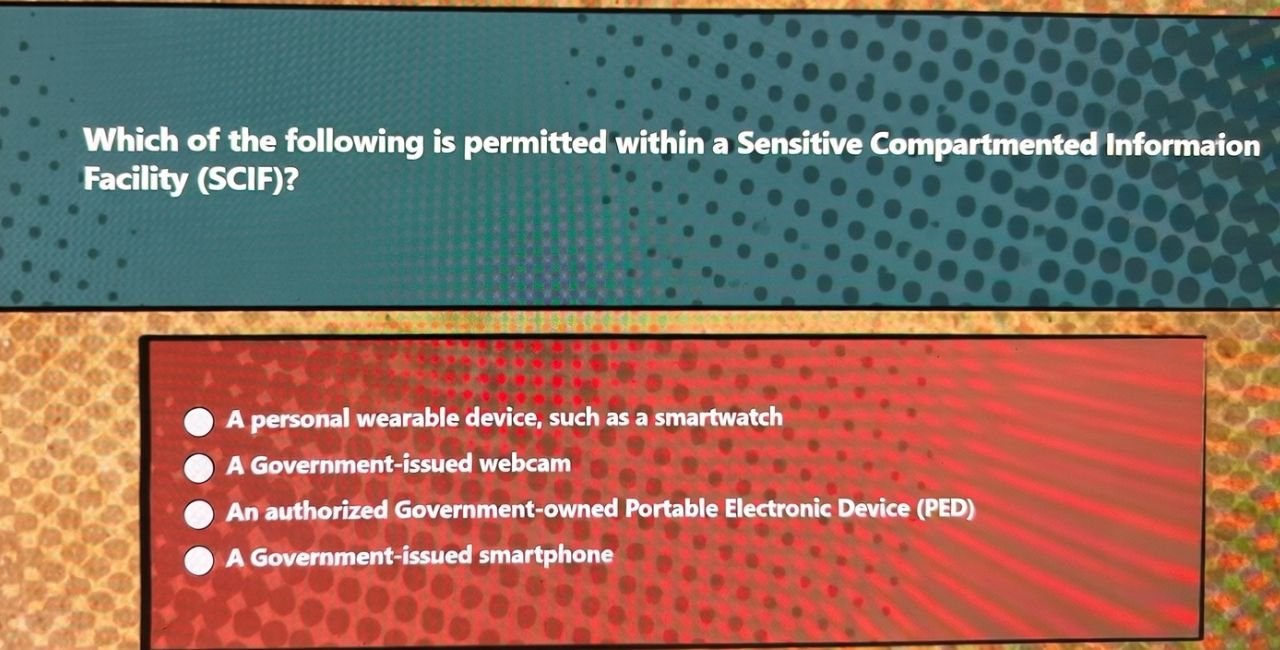
People quiz on which of the following is permitted within a SCIF during DoD cyber checks. Let’s look at common choices and the right one.
Options often include: A. An authorized Government-owned Portable Electronic Device (PED). B. A Bluetooth medical device, like a glucose monitor. C. A Government-issued laptop with Wi-Fi. D. A Government-issued smartphone.
The answer? A. Why? Authorized gov-owned PEDs get vetted for security. They lack risky features like open nets. Agencies approve them first.
B gets banned—Bluetooth sends signals that spies could grab. Even health tools pose risks. C? Wi-Fi opens doors to hacks. No wireless in SCIFs. D? Smartphones call out, easy to tap. Not allowed unless special cases, rare.
This rule comes from DoD manuals like the Cyber Awareness Challenge. It keeps data safe from electronic leaks.
Prohibited Items and Why They Matter
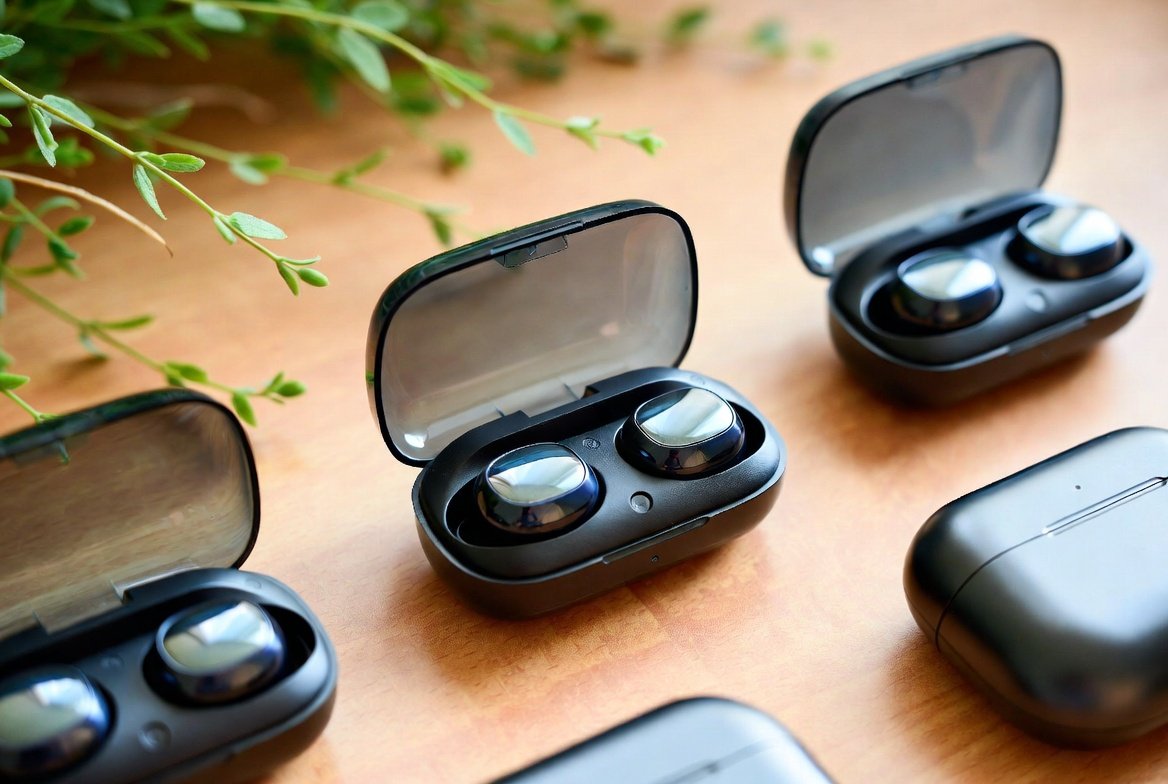
SCIFs ban loads of stuff to cut risks. No personal phones, watches, or earbuds. Why? They record or send data without you knowing.
- Personal electronics: Could have malware.
- Wireless anything: Signals escape walls.
- Cameras or mics: Snap or hear secrets.
- Wearables: Track moves, leak info.
Even gov items need checks. Laptops stay wired, no Bluetooth. Removable media? Only if labeled and approved.
Stats from 2022 show 15% of breaches tied to devices. Training cuts that. Follow rules, stay safe.
Allowed Activities Inside a SCIF
What can you do? Plenty, if it fits security.
Discuss classified topics freely. That’s the point. Process data on secure nets. Hold meetings on plans.
- Talk ops: Share intel with cleared team.
- Use approved tools: Gov computers only.
- Brief teams: Train on missions.
But watch words. Even inside, check who’s listening. No mixing unclassified chats that hint at secrets.
Training for SCIF Use
DoD runs yearly cyber awareness. It covers SCIF dos and don’ts. Quizzes test knowledge, like the permitted question.
New folks get full briefs. Refreshers keep everyone sharp. In 2023, over 2 million DoD staff took it, per reports.
Tips:
- Read manuals.
- Ask questions.
- Practice scenarios.
This builds habits that last.
Common Mistakes and How to Avoid Them
Folks slip up. Forgetting to lock doors. Bringing in unapproved gear. Talking loud near vents.
Avoid by:
- Double-check bags.
- Train regularly.
- Use checklists.
A 2019 study found 20% errors from forgetfulness. Reminders help.
SCIF Design and Tech
Builds use special materials. Walls stop sounds at 50 decibels. Doors seal tight. No ducts that carry voices out.
Tech includes jammers for signals. Alarms for breaches. Costs run high—$100,000 per room average.
Mobile SCIFs for field use follow same rules. Tents with liners block eavesdroppers.
Roles in SCIF Management
Security officers oversee. They approve access, check builds.
Users follow daily. Report odd stuff, like unknown devices.
Contractors? Same rules. Clearances checked.
Case Studies: SCIF Success and Fails
Success: During Iraq ops, SCIFs kept plans secret, aiding wins.
Fail: Snowden case showed weak checks. Led to reforms.
Lessons: Tighten device rules, train better.
Expanding on Permitted Devices
Back to which of the following is permitted within a SCIF. Gov-owned PEDs: What are they? Tablets or drives for data move.
Approval process:
- Submit request.
- Security scan.
- Label for use.
Only in SCIF if needed. No personal data.
Health Devices and Exceptions
Bluetooth health tools? Usually no. But rare waivers for must-haves, with disables.
Consult docs: Risk vs need.
Laptops and Connectivity
Gov laptops ok if no Wi-Fi. Wired only. Updates done outside.
Why? Wireless hacks common. 2021 saw 300 attempts on DoD nets.
Smartphones in Secure Spaces
Banned. Calls could leak. Use landlines inside.
Exceptions? High-level, encrypted ones. Rare.
Removable Media Rules
Allowed if gov-issue, labeled. For PII, extra care.
- Scan for viruses.
- Track use.
Breaches from media: 10% in 2024.
Physical Security Beyond Devices
Badges, escorts for visitors. No alone time for uncleared.
Monitors positioned safe. Blinds closed.
Situational Awareness in SCIFs
Stay alert. No talks near outsiders. Even in SCIF, watch.
- Assess listeners.
- Secure screens.
This prevents slips.
Sharing Info Safely
Share only with cleared, need-to-know. Mark docs right.
No hyperlinks to higher classified stuff.
Balance share vs protect.
Incident Response in SCIFs
Spill? Notify POC. Analyze media, systems.
If accidental, retrain.
Quick action limits damage.
SCIFs and Remote Work
Post-COVID, some virtual SCIFs. But rules strict. Approved apps only.
Challenges: Home setups hard to secure.
Future of SCIF Security
AI for monitoring. Better signal blocks.
Threats evolve, so do defenses.
FAQs on SCIF Permissions
What is the main rule for devices in a SCIF? Only authorized gov-owned PEDs make the cut when asking which of the following is permitted within a SCIF.
Can I bring my phone? No, personal devices stay out.
What if I need a medical device? Check for waivers, but Bluetooth often banned.
How do I get access? Clearance plus training.
Why no Wi-Fi? Risks interception.
References
- Brainly.com discussion on SCIF permissions: https://brainly.com/question/52861263
- Quizlet flashcards for DoD Cyber Awareness: https://quizlet.com/874259502/fy24-dod-cyber-awareness-challenge-knowledge-check-flash-cards/
- OreateAI blog on SCIF understanding: http://oreateai.com/blog/understanding-whats-permitted-within-a-scif/0d31e326d52d1ef4e32ecb4e23867798
For more on security tools, visit Laaster UK.