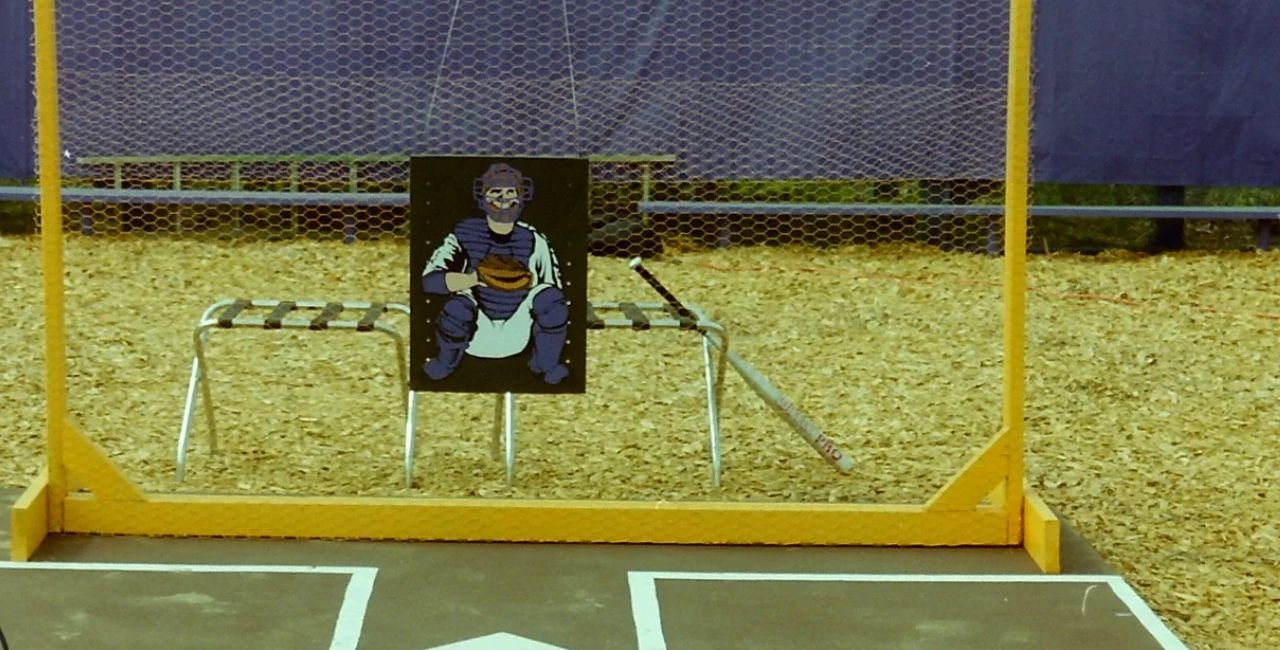
A wiffle ball strike zone is a marked target or frame placed behind home plate. Pitchers aim to throw the plastic wiffle ball through or into this area for a strike. If the pitch misses the zone and the batter does not swing, it’s a ball.
Unlike real baseball, where the strike zone is imaginary and based on the batter’s stance, wiffle ball often uses a physical target. This makes calls clear and easy. The zone sits about 3 feet behind home plate to let the batter swing freely without hitting it.
The wiffle ball strike zone accounts for how the perforated plastic ball drops in flight. A pitch that looks like a strike over the plate might drop lower by the time it reaches the target. Good zones adjust for this drop so low pitches still count right.
Why the Wiffle Ball Strike Zone Matters in Games
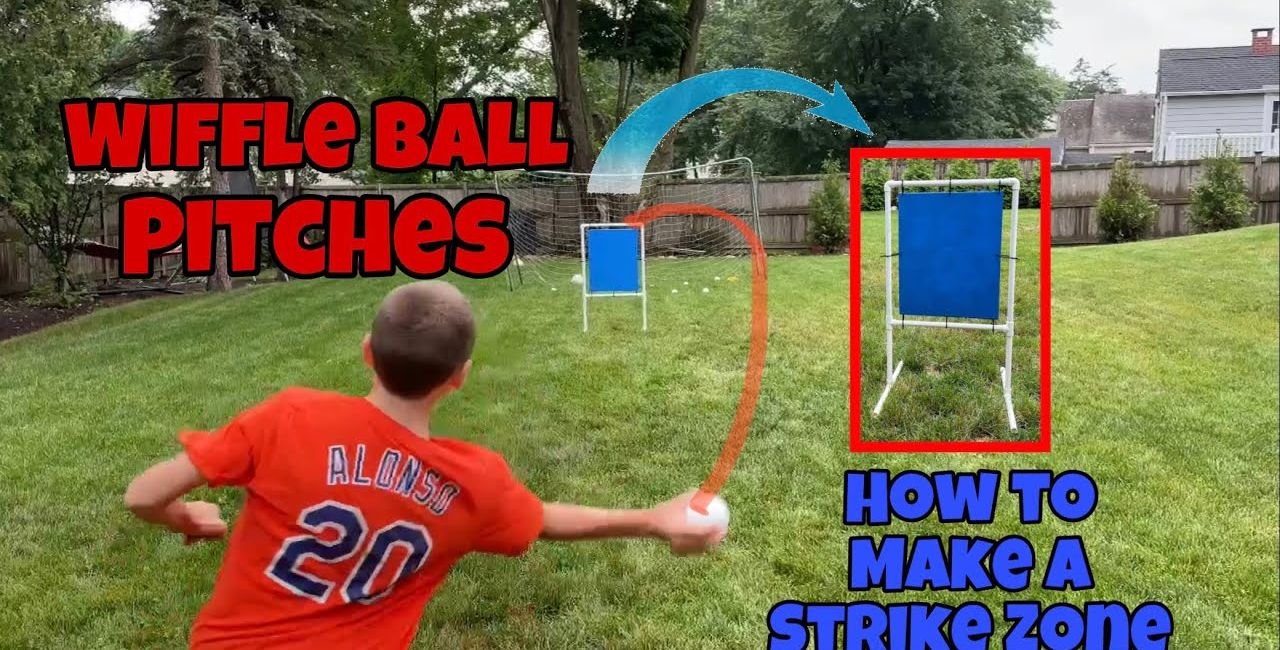
The wiffle ball strike zone keeps games moving and fun. Without it, players argue about every close pitch. A clear target stops that. It helps young players learn plate discipline — only swing at good pitches.
In leagues like backyard tournaments or groups such as AWA Wiffle Ball, the wiffle ball strike zone is required. It sets fair rules so everyone knows the count: three strikes for an out, four balls for a walk.
It also helps pitchers practice control. They learn to hit spots instead of just throwing hard. Batters get better at watching pitches and deciding to swing or take them.
Standard Dimensions of a Wiffle Ball Strike Zone
Most wiffle ball strike zone targets follow similar sizes based on popular leagues and products. Common dimensions include:
- Width: 20 to 23 inches
- Height: 28 to 30 inches
- Bottom height off ground: 12 to 17 inches (some adjustable to 8-13 inches for kids)
For example, many setups use 22 inches wide by 30 inches tall, starting about 12 inches off the ground. Others go 30 inches tall by 20-23 inches wide.
The zone often has an overhang or lip at the top. This helps catch low pitches that drop due to the ball’s curve. Without enough overhang, good low strikes miss the target.
Placement is key: set the wiffle ball strike zone 3 feet behind home plate. This gives space for swings and lets the ball travel naturally.
How the Wiffle Ball Strike Zone Works with Pitch Rules
In most wiffle ball games, a pitch counts as a strike if:
- It passes through or hits the wiffle ball strike zone target without touching the ground.
- The batter swings and misses.
- The batter fouls the ball off (some rules limit fouls).
A ball is any pitch that misses the zone and is not swung at. Hit batters usually count as balls, and batters should try to dodge them.
The wiffle ball strike zone helps with called strikes. If the pitch hits the marked area, it’s a strike even if the batter thinks it’s outside. This makes umpiring simple — no need for guesswork.
Some leagues add twists, like using a metal sheet for a “ting” sound on hits or vinyl for a thump. These make it more exciting.
Popular Types of Wiffle Ball Strike Zone Targets
You can buy or build a wiffle ball strike zone. Here are common types:
- Portable Targets: Frames with fabric or mesh. Easy to set up and move. Brands like GoSports offer adjustable ones compatible with plastic balls.
- Metal or Steel Zones: Durable with a clear sound when hit. Strike Zone Pro makes metal versions that last longer.
- Nets with Zones: Pitching nets that include a strike area. Great for solo practice.
- Adjustable Models: Change height for kids or adults. Some lower to 8 inches for smaller players.
- Backstops with Built-in Zones: Full setups that catch balls and show the strike area.
Shop for options on Amazon to see popular picks like GoSports targets, which get high ratings for easy assembly and fun use.
For detailed reviews and comparisons of top wiffle ball strike zone products, check out wiffleballstrikezone.com. They test for drop, stability, and sound.
Tips for Setting Up Your Wiffle Ball Strike Zone
Follow these steps to get the best setup:
- Choose a flat spot in your yard for home plate. Mark it with a mat or tape.
- Place the wiffle ball strike zone exactly 3 feet behind the plate.
- Adjust height so the bottom sits 12-17 inches off the ground (lower for kids).
- Test pitches from your mound distance (often 40-45 feet). Watch for drop.
- Weight the base with sandbags if it’s windy.
- Use only official wiffle balls — the perforated plastic ones. Hard balls can damage targets.
Tip: Paint the frame bright colors so it’s easy to see from far away.
How to Build Your Own Wiffle Ball Strike Zone
Building one saves money and lets you customize. Use PVC pipes for the frame and a metal or vinyl sheet for the target.
Basic materials:
- PVC pipes (1-inch diameter, about 15 feet total)
- Elbows, T-joints, primer, and glue
- Sheet metal or aluminum (22×30 inches) with holes for zip ties
- Zip ties
- Spray paint
Cut pipes to: one 23-inch top, two 31-inch sides, shorter bases and legs. Assemble a rectangle frame, attach the sheet, and add legs for stand-up.
Many guides suggest 22-30 inches tall by 20-23 inches wide, bottom at 12-15 inches off ground.
For more on anatomy and rules, see this guide on strike zone for wiffle ball.
Benefits of Using a Wiffle Ball Strike Zone in Practice
A good wiffle ball strike zone boosts skills fast. Pitchers work on accuracy to hit corners. Batters improve timing and pitch selection.
Kids love it because calls are fair — no more “that was a strike!” fights. Families play longer without frustration.
In training, use it for drills:
- Pitch to spots (high, low, inside, outside).
- Batter takes pitches to build eye.
- Combine with nets for solo work.
Statistics from backyard leagues show games with zones have fewer disputes and higher enjoyment.
Common Mistakes to Avoid with Wiffle Ball Strike Zone
Don’t set the zone too high — low pitches drop and miss. Avoid too low — high pitches sneak in.
Never use hard baseballs; they break frames. Always place it 3 feet back for swing room.
Check stability — tipping zones ruin games.
Advanced Tips for Better Wiffle Ball Strike Zone Play
Experiment with overhang for better low-pitch calls. Some zones have 9-14 inches overhang.
In leagues, agree on rules before play. Some count edges as strikes; others only center.
For fun, add sounds — vinyl thump or metal ting adds excitement.
Practice different pitches: sidearm makes more drop, overhand less.
The Future of Wiffle Ball Strike Zone Designs
New targets use better materials like thicker PVC or weatherproof vinyl. Adjustable heights suit all ages. Some include carry bags for travel.
As wiffle ball grows in popularity (thanks to viral videos and tournaments), expect smarter designs with lights or apps for tracking strikes.
In Conclusion
The wiffle ball strike zone brings structure, fairness, and more fun to this classic backyard game. From simple frames to advanced targets, it helps players of all ages enjoy pitching and hitting without arguments. Get one, set it up right, and watch your games improve.
What kind of wiffle ball strike zone setup do you use or want to try next? Share in the comments!
References
- Product listings and customer insights: Amazon search for wiffle ball strike zone products.
- Detailed reviews and testing: https://www.wiffleballstrikezone.com/
- Anatomy and rules guide: https://jitsi.cmu.edu.jm/strike-zone-for-wiffle-ball/
- League examples from various wiffle ball associations (AWA, MLW, etc.).