The general motors v8 engine lawsuit has caught the attention of many GM vehicle owners. This legal action stems from reports of engine failures in popular trucks and SUVs. Drivers have faced sudden breakdowns, high repair costs, and safety risks. In this article, we break down the key facts to help you understand the issue.
Understanding GM’s V8 Engines

General Motors has built V8 engines for decades. These powerhouses drive many of their trucks and SUVs. They offer strong performance for towing and daily use. But recent problems have led to legal troubles.
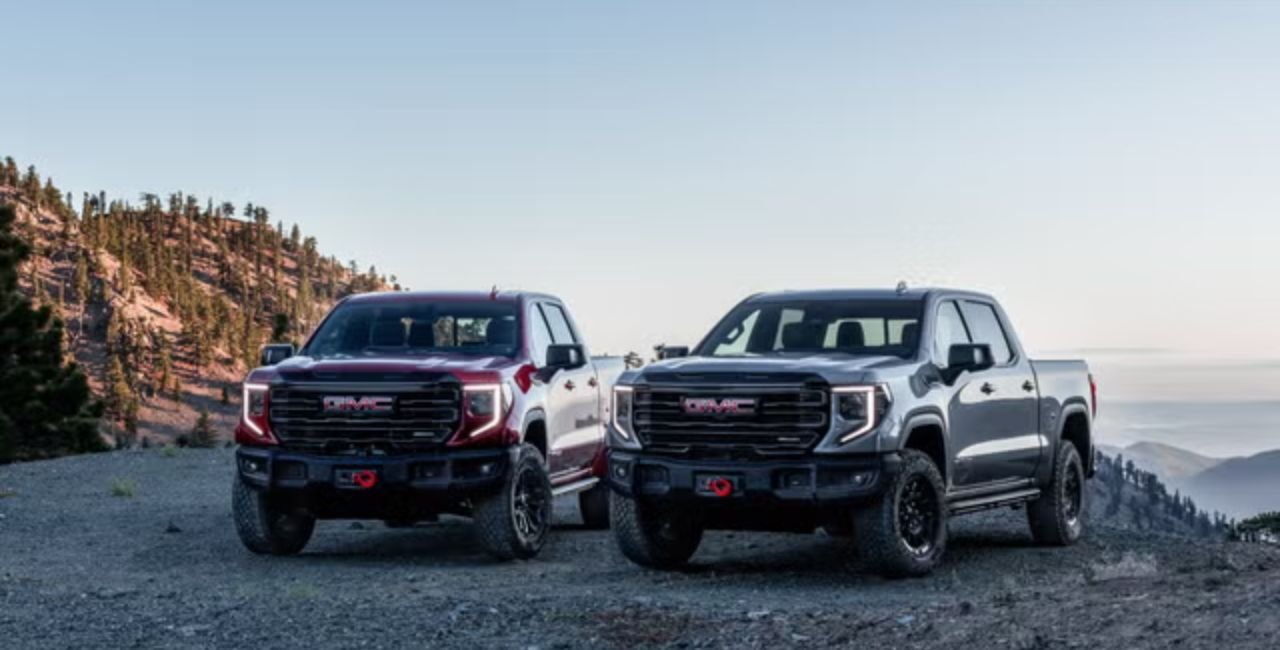
GM’s V8 lineup includes the 5.3L, 6.0L, and 6.2L models. The 6.2L L87 stands out in newer vehicles. It powers models like the Chevrolet Silverado 1500 and GMC Yukon. Owners praise its power, but defects have caused headaches.
Engineers design these engines for durability. Yet, manufacturing flaws can slip in. When that happens, owners pay the price. Lawsuits claim GM knew about issues but delayed fixes.
The Roots of the General Motors V8 Engine Lawsuit
Problems with GM V8 engines date back years. Early complaints focused on oil consumption in the 5.3L Vortec 5300 LC9. This engine appeared in 2011-2014 models like the Chevrolet Avalanche and GMC Sierra.
Owners reported engines burning too much oil. This led to low oil levels and damage. A class action in California, Idaho, and North Carolina addressed this. GM settled for $150 million in 2025. The deal covered repairs and compensation.
Another issue hit the valve lifters. In 2021, a lawsuit targeted the 5.3L L84, 6.2L L87, and 6.0L L96 engines. Plaintiffs said lifters failed due to poor materials and design. This caused engine knocks and failures. No recall came, so owners fixed issues themselves.
The biggest wave came with the 6.2L L87 engine. Starting in 2021 models, owners saw sudden failures. A recall in 2025 affected nearly 600,000 vehicles. But lawsuits say the fix falls short.
Key Details on the L87 Engine Defects
The L87 6.2L V8 powers high-end GM trucks and SUVs. Models from 2021-2024 include:
- Chevrolet Silverado 1500
- Chevrolet Tahoe
- Chevrolet Suburban
- GMC Sierra 1500
- GMC Yukon
- GMC Yukon XL
- Cadillac Escalade
- Cadillac Escalade ESV
Defects center on connecting rods and crankshafts. These parts handle engine stress. Flaws cause them to break, leading to total engine loss.
Symptoms show up fast. Drivers hear knocking or ticking. The check engine light flashes. Then, the engine stalls, often at highway speeds. This raises crash risks.
NHTSA opened a probe in January 2025 after thousands complained. They linked issues to 12 crashes and 12 injuries. GM issued a recall in April 2025. Dealers check engines and may replace them or change oil specs.
But lawsuits argue this isn’t enough. They say GM’s thicker oil recommendation increases fuel costs without solving the root cause. Contamination in oil galleys or poor crankshaft finishing persists.
How the Lawsuits Consolidated
Individual suits started in February 2025. The lead case, Powell v. General Motors, came from Illinois. Owner James Powell found metal shavings in his 2023 GMC Yukon oil. This signaled rod failure.
More cases followed across states. By August 2025, a judge merged 10 into one class action. An 11th joined in October, and another in November. Now, it’s Powell v. General Motors in Michigan federal court.
Four law firms lead: The Miller Law Firm, DiCello Levitt LLP, Hagens Berman Sobol Shapiro LLP, and Lieff Cabraser Heimann & Bernstein LLP. They represent owners nationwide.
The suit claims GM hid defects. Internal docs show GM knew issues for years. Yet, they sold vehicles without warning. Owners seek refunds, repairs, and damages.
Settlements in Past GM V8 Cases
GM has settled similar suits before. In the oil consumption case, owners got $700 to $3,380. Lead plaintiffs received up to $30,000. Lawyers earned $66 million across two settlements.
For the multi-state oil issue, the $150 million deal helped thousands. It covered piston ring fixes and engine rebuilds.
No settlement yet for the L87 case. But history suggests one could come. Courts approve deals if fair. Owners might get engine replacements or cash.
Critics note lawyers often gain more than clients. In one case, firms got $57 million while owners averaged $3,380.
Impact on Vehicle Owners
If you own an affected GM vehicle, act fast. Check your VIN on GM’s site or NHTSA’s portal. Schedule the recall fix at a dealer.
But if problems persist, document everything. Keep repair bills, photos, and notes. This helps in claims.
Costs add up. Engine replacements run $10,000+. Lost work time and rentals hurt too. Lawsuits aim to cover these.
Safety matters most. Engine failure on roads endangers lives. GM offers $44/day for GM rentals during fixes, but that’s limited.
For tips on car care, check resources like Laaster. They offer guides on maintenance to avoid issues.
Statistics and Real-World Examples
NHTSA logs over 28,000 L87 complaints. That’s huge for one engine.
In 2021-2024 models, failures hit low-mileage vehicles. One owner reported seizure at 4,000 miles. Another lost power at 70 mph.
Past stats show oil burn in 5.3L affected 10% of engines. Repairs averaged $2,500.
Quotes from owners highlight frustration:
- “My Yukon failed without warning. GM’s fix? Thicker oil. Now my fuel bill is up 15%.”
- “I paid $190 for special oil changes. Still worried about breakdown.”
GM’s recall expects to replace many engines. But parts shortages delay fixes.
Comparing GM’s Issues to Other Automakers
GM isn’t alone. Ford faced EcoBoost lawsuits for timing chain failures. Toyota settled oil burn cases in Camrys.
But GM’s scale stands out. With 597,630 recalled vehicles, it’s one of the largest.
What sets GM apart? Delayed response, per suits. Internal tests showed problems in 2020, but recall waited till 2025.
Legal Process Explained
Class actions unite similar claims. Certification makes it official. Then, discovery uncovers GM docs.
Trials are rare; most settle. If certified, notices go to owners. You can join or opt out.
Timeline: Consolidation happened in 2025. Trial could start in 2026. Settlements take 6-18 months.
Hire a lawyer? For big claims, yes. Firms like Gibbs Law Group investigate free. Contact them if affected.
Tips for Affected Owners
Follow these steps to protect yourself:
- Check for Recalls: Use NHTSA’s site with your VIN.
- Get the Fix: Schedule at a GM dealer soon.
- Monitor Symptoms: Listen for noises; check oil often.
- Document Issues: Save all records for claims.
- Join the Lawsuit: Fill forms on law firm sites.
- Consider Lemon Law: If repeated fixes fail, your state may help.
- Sell Wisely: Disclose issues; defects lower value.
These actions give reassurance. You’re not alone; thousands face this.
Broader Implications for the Auto Industry
This general motors v8 engine lawsuit pushes for better quality. Regulators may tighten defect reporting.
GM might redesign engines. Future V8s could use stronger materials.
Consumers gain power. Suits force accountability. Expect more transparency on defects.
Frequently Asked Questions About the General Motors V8 Engine Lawsuit
What vehicles are part of the general motors v8 engine lawsuit?
Models with the L87 6.2L V8 from 2021-2024, like Silverado, Tahoe, and Escalade.
How do I know if my GM V8 engine is defective?
Look for knocking, check engine lights, or sudden power loss. Get a dealer inspection.
Can I get compensation from the general motors v8 engine lawsuit?
Yes, if you join the class action. Expect repairs or cash if settled.
What caused the GM V8 engine failures?
Manufacturing defects in connecting rods and crankshafts lead to breaks.
Is the GM recall fix effective?
Lawsuits say no; it doesn’t address root causes like contamination.
Conclusion: Staying Informed on the General Motors V8 Engine Lawsuit
The general motors v8 engine lawsuit highlights ongoing issues with GM’s popular powertrains. From oil consumption in older 5.3L engines to catastrophic failures in the L87 6.2L, owners have faced real challenges. Consolidations and settlements show progress, but full resolution awaits. GM has recalled hundreds of thousands of vehicles, yet questions remain on fix adequacy. Owners should monitor recalls, document problems, and consider legal options for compensation. This case reminds us to stay vigilant with vehicle maintenance.
What steps will you take if your GM V8 shows signs of trouble?
References
- GM Authority on L87 Lawsuits Consolidation – Details the merging of multiple cases into one, affecting thousands of owners with valve train and engine failure complaints.
- Class Law Group GM Engine Failure Investigation – Covers the L87 6.2L V8 defects, symptoms, and how owners can join the class action for compensation.
- Car and Driver on GM V8 Settlements – Explains settlements where owners received $700-$30,000, targeting oil consumption and valve issues in older models.